


Understanding And Managing Menopause
Unlock the secrets to managing your menopausal journey with our comprehensive guidelines. We’ll help you understand the most common symptoms and discover what we believe to be some of the most effective treatment options.

Heavy Periods During Perimenopause
Written by The Menopause Charity.
Perimenopause is a natural phase in a woman's life. It often begins a few years before menopause, which is one year after your last period. During perimenopause, your body undergoes significant hormonal changes as your ovaries slow down and you run out of eggs.

Bladder Leaks During The Menopause
Bladder weakness, also known as urinary incontinence, is a common issue many women experience during menopause. Learn all about the causes, symptoms and treatments of bladder weakness during menopause.

Vaginal Dryness and Discharge In Menopause
Your vaginal health is just as important pre and post menopause, but what changes should you expect?

Bleeding In Between Periods & Perimenopause: Is it Normal?
Written by The Menopause Charity
Perimenopause, the transition phase leading up to menopause, often brings a variety of changes to a woman's menstrual cycle. One common but sometimes concerning symptom is unexpected bleeding between periods. While these irregularities can be part of the natural shift in hormonal balance, particularly involving oestrogen levels, they may also be unsettling and disruptive.

Overcoming Period Pain in Perimenopause: Tips and Treatments
Written by The Menopause Charity
Perimenopause is a natural phase in a woman's life. It often begins a few years before menopause, which is one year after your last period. During perimenopause, your body undergoes significant hormonal changes as your ovaries slow down and you run out of eggs.

The A-Z of Pregnancy
The last thing you want during your pregnancy and labour is to feel confused about what’s being said around you. To help, we’ve put together a simple guide to some of the most common pregnancy and birth terms, so you can feel more confident and prepared.

Changes To Your Body In Early Pregnancy
Written by Lara Taylor, Specialist Midwife
Just found out you're pregnant? Discover the early signs of pregnancy, why your body is changing, and expert midwife tips to help you feel reassured and prepared.
Unexpected Body Changes During Pregnancy
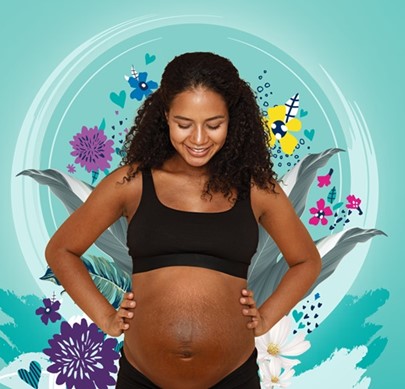
Your growing baby bump and ever-increasing breast size are just some of the more obvious physical changes you’ll notice during pregnancy.
Frequently Asked Questions
What are the signs your daughter is about to start her period?
Some of the most common signs your daughter is starting puberty appear months or even years before her first period. These include breast development, a noticeable growth spurt, pubic or underarm hair, and changes in body shape. Many girls also notice a clear or white vaginal discharge, which is a completely normal sign that the body is getting closer to starting its menstrual cycle and often appears up to a year beforehand.
As your daughter gets closer to her first period, she may experience hormonal changes such as mood swings, tiredness, mild tummy cramps, or headaches. The age periods start varies widely, and developing earlier or later than friends is still completely normal.
If you're still not sure if your daughter is about to start her period, check out our blogs under the Parents of Teens section on the website.
Signs Your Daughter Is About To Start Her Period
Where can I learn how to use a tampon for the first time?
If you’re new to tampons or just want a bit of a refresher, we’re here to help. Our tampon beginner guides are designed to be clear, reassuring, and easy to follow, whether it’s your first cycle or you’re switching from pads.
A great place to start is our How to Insert a Tampon guide, which includes step‑by‑step instructions, simple illustrations, and practical advice on choosing the right tampon absorbency and staying comfortable.
You can also explore our Ask Vicki resources, where we answer real questions about using a tampon for the first time, concerns about comfort, and common worries.
How do you insert a tampon correctly?
Learning how to insert a tampon correctly is much easier than it might seem at first. Whether you’re new to tampons or just looking for a quick refresher, having clear, trustworthy guidance can help you feel confident and at ease. With the right tampon absorbency for your flow and a relaxed approach, tampon use usually becomes second nature quite quickly.
For step‑by‑step support, check out our Usage Guide – How to Use a Tampon, which includes simple illustrations and practical tips to help you get started comfortably and safely. It covers everything from choosing the right tampon to what it should feel like when it’s in properly, so you can manage your period with confidence, wherever you are.
When were tampons invented?
Modern tampons, as we know them today, were invented in 1931. These are the cylindrical cotton and viscose tampons with a string that are still commonly used now.
Having said that, tampon‑like period products have existed for thousands of years. Women in different cultures used natural materials such as papyrus, grass, bandages, and plant fibres as early forms of tampons long before modern versions were developed.
Check out our blog for more on this topic:
History Of Tampons Who Invented Tampons
How can I use the first bra size calculator in the UK?
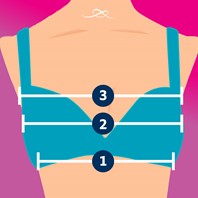
Finding a first bra size is a really important step for many girls starting puberty, which is why we focus on making it feel simple, supportive, and accurate. To use our UK first bra size calculator, you’ll need to take three quick measurements around your body, exactly as shown in the guide below. These measurements help us understand both comfort and fit, not just numbers.
Once you have your measurements, simply send them to Ask Vicki for a personalised bra sizing recommendation. Our advice is tailored for growing bodies, helping you find a first bra that feels comfortable and supportive, without pressure or guesswork.
Your First Bra And How To Choose A Starter Bra
How can I stop discharge every day, and when is it normal?
Vaginal discharge is a fluid your body makes to help keep the vagina clean, balanced, and protected from infection — so it’s actually a healthy and normal part of puberty and adult life. Many people notice discharge most days, and it can change throughout your menstrual cycle. Anything from clear and runny to white, thick, or creamy is usually completely normal.
Although normal discharge can be annoying, it can be easily managed with pantyliners or breathable underwear. What’s important is knowing when to check in with a healthcare professional: if discharge becomes lumpy, has an unusual smell, or is itchy or uncomfortable, it could be a sign of a vaginal infection and may need treatment.
What Is Vaginal Discharge? A Guide for Teens on What’s Normal and What’s Not
Vaginal Discharge And How To Deal With It
What should I know about maternity pads after giving birth?
After giving birth, everyone experiences postpartum bleeding, known as lochia, even if they’ve had a C‑section. This isn’t the same as a period, it’s a normal sign that your body is healing and shedding the lining of the uterus that supported pregnancy. The flow is usually heavy at first, which is why maternity pads are recommended instead of regular period pads. They’re thicker, more absorbent, and designed to offer extra comfort and protection when you’re feeling tender and resting more. Lil‑Lets Maternity Pads are made for those early days after birth, with softness and high absorbency in mind.
As your bleeding starts to reduce over the following weeks and you become more active, many people prefer switching to a slimmer maternity pad that still offers reliable protection. Around weeks three to four, products like Lil‑Lets Maternity Ultra Pads can feel more comfortable while still keeping you secure as your routine begins to feel more normal again.
For more advice read on -
Maternity Pads And Managing Postpartum Bleeding
What should I pack in my hospital bag?
Around 4–6 weeks before your due date, it’s a good idea to get your hospital bag ready so you’re not rushing when labour starts. Packing early helps reduce stress and means you can focus on yourself and your baby, knowing the essentials are already organised and easy to grab when the time comes.
Your hospital bag should include key items for labour, recovery, and your newborn, such as comfortable clothing, toiletries, maternity pads, baby clothes, and important documents. For a complete, easy‑to‑follow checklist of what to pack in your hospital bag, follow our link below for the full guide.
Maternity Hospital Bag Checklist
What causes irregular periods and how can I manage them?
Irregular periods are very common, and usually nothing to worry about. Around 14–25% of women experience irregular menstrual cycles at some point in their lives. Your period can become irregular for lots of reasons, including puberty, the months after pregnancy, starting or stopping contraception, or during the early stages of the perimenopause. Hormones play a big role, and when they’re changing or settling, your cycle can be less predictable.
Managing irregular periods often starts with understanding what’s normal for your body. Tracking your cycle, being prepared with the right period products, and looking after your general wellbeing can all help. If you’d like to learn more about the possible causes of irregular periods and what they might mean for you, follow the link below for a more detailed guide.
Understanding Irregular Periods
How can I handle my period at night?
Periods at night can feel stressful, but the right period products can make a big difference. Overnight pads, period pants, and tampons are all great options for sleeping. Tampons can be worn for up to 8 hours, making them ideal for overnight use, and they can help prevent leaks and bedding stains. Overnight pads and period pads are designed with extra absorbency and wider coverage to protect you while you move around in your sleep.
Choosing products made specifically for night‑time period protection, like our Freshlock Night pads can help you feel secure and comfortable so you can rest properly. It’s all about finding what works best for your flow and your body.
What age should I let my daughter use tampons?
There’s no specific “right age” for using tampons, it really comes down to readiness, not age. A daughter can use tampons as soon as she feels comfortable, understands how they work, and can insert and remove one safely. Some girls feel ready soon after starting their period, while others prefer to wait and use pads for longer, and both choices are completely normal.
The most important thing is open, pressure‑free conversation. Answer any questions she has, explain how to choose the right tampon absorbency, and go through safe use, including changing tampons regularly and never wearing one for longer than 8 hours. Offering support and reassurance helps your daughter build confidence and choose the period products that feel right for her body and lifestyle.
For more advice read here:
What Age Should I Let My Daughter Use Tampons?
How can I manage heavy periods in perimenopause?
Before menopause comes perimenopause, and this is a time when periods can often become heavier, longer, or more unpredictable. Hormonal changes during perimenopause can affect how much you bleed, which can make menstrual flow harder to manage, even if your periods were previously light or regular.
Managing heavy periods in perimenopause may mean re‑thinking the period products you use. Many people find they need to move up to a higher absorbency pad or tampon to feel secure and comfortable. The Lil‑Lets Extra Protection range was designed with heavier flows in mind, offering increased absorbency and coverage to help you stay confident and protected as your cycle changes.
And for more advice on all things relating to menopause transition, follow this link which includes articles from the Menopause Charity.