Planning to swim but your period shows up? Don’t worry you’ve got options! Pads won’t work in water, but tampons do, so you never have to miss out.
Getting your period doesn’t mean you have to miss out on swimming. Whether it’s your first time or just awkward timing, you can still swim, splash, and enjoy yourself period or not!
Yes, swimming is actually great for your body during your period. It helps ease cramps, boosts your mood, and keeps you feeling active. So don’t let it hold you back.
Pads and water don’t mix well. They soak up everything, get bulky, and can leak, not ideal when you’re trying to have fun in the pool.
You may have heard the rumour that periods stop in water and so you don’t need to use any protection at all...take it from us this is NOT TRUE! Menstrual fluid is released when the muscles surrounding your uterus contract and they can do this anywhere and anytime, even in water!
Even if your period did start whilst you were in the pool, the amount released would be so small it would be diluted by the water. Almost all swimming pools contain chemicals such as chlorine to help keep them clean, so don’t worry that others may see blood or that you are endangering anyone else’s health by swimming when on your period.
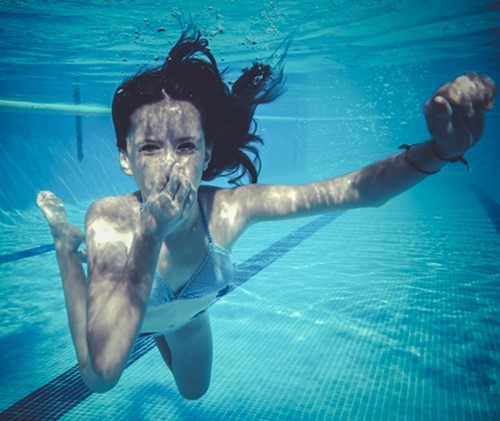
If you're new to periods, it’s okay to ask your teacher if you can sit out swimming lessons for that day if you're not ready to use tampons, or menstrual cups.
Or if your period is nearly finished or very light, you might not need any protection at all in the water, just follow the tips for changing and staying fresh afterwards.
For many teens, the first time they think about using a tampon is when their period arrives on a day they want to swim.
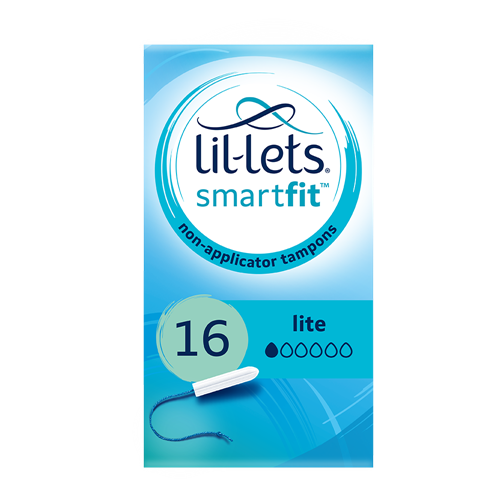
If you’re new to tampons, start with a lite or regular absorbency and without an applicator. They’re smaller, easier to use, and perfect for swimming and keeping in your beach bag.
Lil-Lets SmartFit™ Non-Applicator Lite Tampons Lil-Lets SmartFit™ Non-Applicator Regular TamponsTampons are a great option for swimming because they work inside your body to collect period blood, which means everything stays clean and discreet while you're in the water.
Just pop in a fresh one before you swim, tuck the string into your swimsuit, and you’re good to go!
And, because tampons collect the blood before it leaves your body, you don’t have to worry about anything leaking into the water.
You might wonder if a tampon will soak up pool water, well it might take in just a little at the base, but that’s totally normal. Just change it after swimming, and either pop in a new one or switch to a pad if you're done in the water for the day.
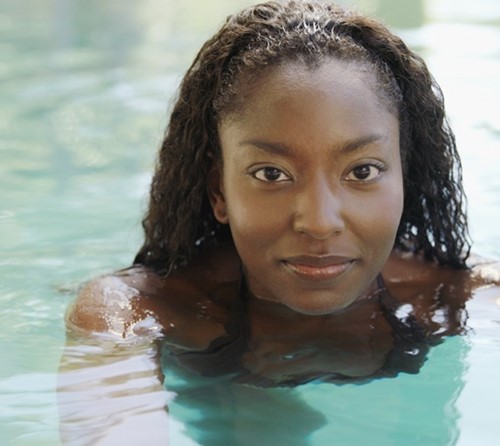
If you know your period might arrive whilst you're on holiday, it’s a good idea to try using tampons a few months before your trip.
This gives you time to get used to how they work, practice putting them in, and figure out which absorbency is right for your flow.
That way, if you do want to swim or take part in water activities, you’ll feel more confident and prepared.
Check out our guide below.
How To Put In A TamponTampons can hold quite a bit of fluid when necessary and of course when you get out of the water you will want to remove the tampon as soon as you can and either insert a fresh one, or pop on a pad if you are not going back in the water.
Get into the habit of taking a beach bag with you when out and about, keep some useful supplies in this bag, such as spare pads or tampons and a dark coloured beach towel.
If it makes you feel more comfortable consider wearing darker coloured swimwear when on your period too!
If you have been in a swimming pool, it’s a good idea to have a shower or change your swimwear as the chlorine used in pools can sometimes cause irritation to the vagina or vulva.
If you’re not ready to try tampons yet, there are still plenty of ways to enjoy your holiday or swimming trip.
Some people choose to wear period swimwear, which looks just like a regular swimsuit but has a special built-in layer to absorb light flow perfect for the pool or beach.
Others might try a menstrual cup, which works like a tampon by collecting blood inside the body, but it’s reusable and can be used again and again.
If you prefer to stick with pads, you can still relax by the pool just pop one on and wear a pair of comfy summer shorts over your swimsuit. You can dangle your legs in the water and enjoy the sun. If anyone asks why you’re not swimming, just say you don’t want to get your hair wet!
And if you’re doing water sports like surfing or canoeing, wearing a wetsuit means you might be able to wear a pad underneath, especially if your flow is light.
And remember: it's unlikely your period will last for the whole holiday!
Some people choose to delay their period if they have a holiday or special event coming up. This can sometimes be done by taking a special tablet (contraceptive pill) from the doctor, but it’s really important to talk this through with your parents, or the person who cares for you, and it can only be given by a GP or pharmacist.
After delaying your period, its worth knowing that the next one might be a bit heavier or come at a different time and that’s normal too.
So, there you have it, all you need to know about swimming on your period, and with so many great products available like tampons, menstrual cups, and period swimwear there’s no reason why you can’t keep doing the things you love, including swimming!
Whether you're new to tampons or just curious, we're here to clear up the confusion with facts, not fear, so you can feel confident and in control.
Debunking Myths About TamponsYour first period is a big step, and it’s totally normal to have questions about it. Here’s everything you need to know to feel prepared and confident.
My First PeriodCheck out our easy guide to find the right period products and feel confident every step of the way!
How to Be Prepared for Your First Period: Best Products for Teens