Your first period is a big step, and it’s totally normal to have questions about it. Here’s everything you need to know to feel prepared and confident:
So, you’ve started noticing changes in your body and maybe even how you feel. You’re probably wondering, “When will I get my first period?” It’s hard to know exactly when it’ll happen, but don’t worry we’re here to help answer your questions and guide you through what to expect.
A period is when a bit of blood comes out of your body from your vagina. It’s totally normal and happens to most people with a uterus as they grow up. It usually lasts between 2 - 7 days, sometimes longer.
Did you know that your period is just one small part of something bigger called the menstrual cycle. Here’s how it works:
Your body gets ready
Each month, your uterus (womb) builds a soft, blood-rich lining in case you get pregnant one day.
An egg is released
One of your ovaries lets out an egg. This is called ovulation.
No pregnancy? No problem!
If the egg isn’t fertilised, your body doesn’t need that lining anymore.
Your period starts
The lining breaks down and leaves your body through your vagina. That’s your period!
It starts again
After your period ends, your body begins the cycle all over again.
This whole cycle usually takes about 28 days, but it’s totally normal if yours is a bit shorter or longer.
There are plenty of signs that will give you a clue that your period may not be too far away. Here are some of the most common ones:
Your first period (called menarche) is an important milestone in your body’s development. Most girls get it between the ages of 8 and 18, with the average around 12 or 13. Everyone’s timeline is different, and that’s completely normal.
Your first period can start anytime - day or night. You might first notice it when you go to the toilet and see blood on the toilet paper or in your underwear. That’s why it’s a good idea to be prepared, just in case!

Tell someone you trust like a parent, or the person who cares for you. First periods can even start at school, so it’s good to have pads or liners in your bag just in case. You can also find starter kits made just for teens, with everything you need to feel confident.
How Do I Tell Someone My First Period Is Here (or Might Be Coming Soon)?Your first period might last 2–7 days, or even up to 10. It may not come regularly at first, so keep track in a diary or app. Over time, you’ll start to notice a pattern.
Everyone’s first period is different. It might be light and last a day or two, or it could be heavier and last longer. Both are totally normal!
Sometimes, yes...but not always. Here’s what you might notice:
That’s why it’s helpful to carry a pad or liner in your bag, just in case.
Actually, not as much as it looks! Even though your pad or tampon might seem full, your body usually only loses about one egg cup’s worth of blood during your whole period. That’s around 2–3 tablespoons in total. It might look like more, but it’s completely normal and nothing to worry about.
A heavy first period is normal too! Your body is adjusting, and things will likely settle down as your cycle becomes more regular. Don’t worry, it's unlikely it will always be this way!
No, that’s just a myth! Period blood doesn’t have to be bright red. In fact, it can be pink, brown, dark red, or even a mix of colours. The colour can change from day to day and is totally normal. So don’t worry whatever shade you see, your body is doing exactly what it’s supposed to.
Period blood can be:
All of these colours are normal and can change from day to day.
Don’t worry this is super common! When your period first starts, your body is still figuring things out. It can take a while for your cycle to become regular, so it’s totally normal to go weeks or even months without another one.
Some girls only get a few periods a year at first, and that’s okay. Your body is doing what it needs to, and things will settle down over time.
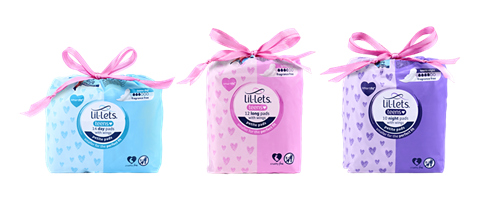
Starting your period can feel a bit confusing especially with so many products out there! But don’t worry, here’s a quick guide to help you choose what might work best for you:
Finally, lots of people worry about a first period, but once it’s arrived and if you’re prepared you’ll wonder what all the fuss was about and realise a period does not, and should not get in the way of going about your day as normal.
Why not check-out our FAQ's at the bottom of the page for more tips.
If you’re about to start your period, chances are you’re a fair way through puberty and you probably thinking about what products are right for you, check out our guide for all you need to know about period products!
How To Prepare For Your First PeriodConfused about whether you need a pad or a liner, we've got the lowdown on what product best suits your needs.
Pads vs LinersThe idea of talking to someone about periods can feel pretty awkward. But trust us, once you’ve had the chat you will feel so much better.
How Do I Tell Someone My First Period Is Here (or Might Be Coming Soon)?
No one can accurately predict when a first period will arrive, the average age is between 12-13, but anything from 8-18 is okay too.
It's normal to feel a mix of emotions, including excitement and a bit of nervousness, especially if friends and family have shared stories of their first time. But we are all different and if you educate yourself on this topic, you will embrace this milestone with confidence.
Your body will have already been preparing your reproductive system for the release of an egg for ovulation for quite a while now, even before your first period arrived! And now you have menstruated for the first time, it will start working out the right monthly cycle just for you. Be patient this can take a while and you may find a second one does not arrive at exactly the same time the following month, this is because your body is still developing in so many ways, and the hormones making these changes can take a while to settle down and form a regular pattern.
You might want to consider using pads specially designed for teens and pre-teens when you get your first period. Lil-Lets offers pads for light to heavy flow, and night pads for when you sleep, and because they are shorter and narrower for smaller bodies they provide fabulous comfort and protection suitable for not only your first period, but for many more periods after.
We are all different and our journey through puberty will be too, so firstly don’t compare your journey to family or friends. A first period can arrive anytime between the ages of 8-18, however there are some exceptions, for example if you’re very athletic and take part in sports, this can sometimes delay the arrival of a period. Being severely underweight can also have an impact on first periods and for some genetics will play a part.
If by the age of 16 you have not experienced any of the signs of puberty, such as breast development, pubic or under arm hair and your period is also not here, you may want to have a chat to your doctor about why this could be.
First periods can be light or heavy, short or long, no one can really predict this! And even if your flow is heavy initially this can change in the future too. The great news is that there will always be a product that can manage even the heaviest of flows.
Most people don’t even know their first period has arrived, but for some there may be discomfort in the lower abdomen and back, this is caused as the muscles surrounding the uterus contract to release menstrual fluid. The level of pain varies for each individual, keeping active is generally the best way to alleviate this discomfort, but if you find the period pain to be severe or significantly impacting your daily life, it's advisable to discuss it with a your parents, or the person who cares for you and they may consider offering you pain relief medication (only ever to be taken under adult supervision), or popping you along to your doctor for a chat.
Did you know even though it looks like a lot of blood is being released in general it’s only about an eggcup full each month…we were surprised too! For those with a heavier flow this can increase, but generally it’s the colour of the blood against the pad that can make it look like a lot of blood has been released.
If however you find you are having to change your pad every 1-2 hours because it is completely full, you may want to speak to your parents or guardian as this may need checking out.
Vaginal discharge is the body’s way of keeping the vagina clean and free from infection and arrives around 6-12 months before a first period, it’s one of the best indicators that your period is not too far away.
Even though there is no hard and fast rule for when you should start to use tampons, it’s sometimes a good idea to use pads until you understand your flow and cycle, especially for the first few periods you have, and when they can be so irregular.
You cannot make your first period come — it’s a natural process controlled by hormonal changes in your body. At this time, your hormones (oestrogen and progesterone) levels are changing. Focus on maintaining a healthy lifestyle, practising self-care and being patient.
Lots of people think brown fluid is discharge, but its far more likely to be your first period and a result of older blood created earlier in the body, or new blood mixed with discharge.
Your discharge will change just before your period and is often thick and creamy a few days before your period arrives.