Remember how awkward it felt telling your parents you’d started your period? You might think it’s easier now, with all the social media, blogs, and videos out there, but actually, it’s still just as uncomfortable for today’s teens too!
With endless TikToks, YouTube videos, and blogs offering advice on puberty and periods, it’s easy to assume today’s teens have it all figured out. But here’s the reality: talking about your first period is still really hard and it’s been that way for decades.
Whether it was the 80s, 90s, or noughties, the question we’ve heard most from teens hasn’t changed:
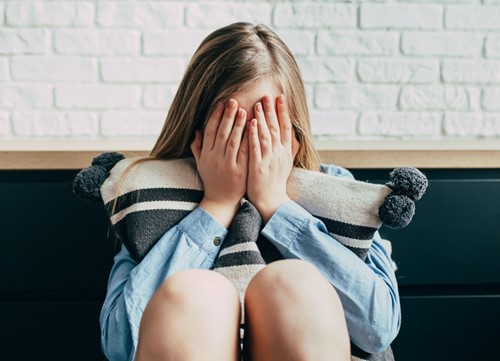
It’s not about a lack of information it’s about how girls feel as they enter puberty.
Puberty isn’t just physical. It’s emotional, social, and deeply personal. As their bodies change, teens also experience a shift in how their brains process emotions and social situations.
They become more self-aware, more sensitive to how others perceive them, and more likely to feel embarrassed - even about things that are completely normal, like a first bra or first period.
So even if your child has watched videos, read articles, or followed influencers talking about periods, starting their own period can still feel like a huge, awkward moment.
Please don't think she has this all figured out!
Periods are often treated like a milestone, but for many teens, they just want it to feel normal not dramatic. They might worry about how you’ll react, whether it’ll be a “big deal,” or if they’ll say the wrong thing.
And because they’re still figuring out how to express themselves, they might stay silent instead.
Generations of girls have felt the same way. What’s changed is the amount of information available but what hasn’t changed is how vulnerable it feels to say, “I’ve started my period.”

Just because your child jokes about periods or shares memes doesn’t mean they’re totally comfortable. That confidence can be a front. Peer pressure is strong during puberty, and many teens feel they have to act fine even when they’re confused or anxious.
They might laugh along in a group, but their own experience can feel very different. Puberty brings big emotional shifts, and self-consciousness is high. So even if they seem chill with friends, talking to a parent about their first period can still feel huge.
That’s why it’s important to look beyond the surface. Let them know it’s okay to feel awkward and that you’re there for them, no pressure, no judgment.
You don’t need to have the perfect words or a big talk planned. What matters most is creating a space where your child feels safe, supported, and not judged. Let them know it’s okay to feel awkward, and that you’re there to listen not to make it a big deal.
Start small. Keep it casual. And most importantly, remind them that periods are normal, healthy, and nothing to be ashamed of.
Even something as simple as popping a pack of pads or a period kit in their room can go a long way. It’s a quiet but powerful way to say, 'I get this and I’m here for you.' Small gestures like this help build trust and show your child that you’re ready to support them, even when the conversation feels hard to start.
Let’s take a closer look at how puberty affects our child's emotions and what we can do to help our child navigate this often overwhelming time.
Helping Your Child Cope with Emotional Changes During PubertyDiscover the tell-tale signs of puberty in girls and learn how you can support your daughter through the changes.
Signs Your Daughter Is About To Start Her PeriodThis guide will help you talk to your daughter about periods in a way that’s understanding, supportive, and free of embarrassment for both of you.
A Dad's Guide To Helping Your Daughter Understand Periods