If you’ve ever wondered what periods actually are, why they happen, or how you can support someone who’s having one, you’re in the right place.
This period guide for guys explains menstruation in a clear, no‑awkwardness way, without myths, judgement, or confusing science. Whether you’re a partner, brother, friend, dad or just curious, understanding periods helps break stigma and makes a real difference to the people in your life.
In this guide, we’ll explain:
The fact that you’re reading this already says a lot about you (spoiler alert: that’s a good thing). Learning about periods is a simple but powerful way to help normalise them and support the people in your life who have them.
Just because periods don’t happen to you physically, doesn’t mean you can’t understand them, or show up with empathy. That’s where this guide comes in.
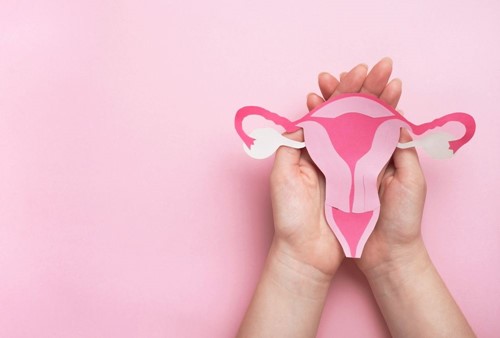
Periods happen when the lining of the uterus sheds and leaves the body through the vagina. This mixture of blood, tissue and fluid is what we call a period.
From puberty until menopause, this process usually happens every month as part of the menstrual cycle. A typical period lasts anywhere from 2 to 10 days, although this can vary from person to person.
Hormones like oestrogen and progesterone control the menstrual cycle. Each month, the body prepares for the possibility of pregnancy. If pregnancy doesn’t happen, the lining of the uterus is shed and the cycle starts again.
Having a period isn’t a sign of fertility, and not every cycle includes ovulation. Bodies are complex, and everyone’s experience is different.
Next up: when periods usually start and what they don’t mean.
Most people get their first period between the ages of 12-14, although starting earlier or later is completely normal.
A common misunderstanding is that getting a period means someone is sexually active. That’s not true. Periods are about physical development and hormones, not sexual behaviour.
For many teens, the first period can feel confusing or even worrying, which is why understanding and reassurance from the people around them really matters.
Short answer: no.
Periods don’t come from the bladder, so they can’t be “held in” like urine. Menstrual blood flows as the uterus sheds its lining, and this process happens involuntarily. There are no muscles that can stop it.
That’s why period products like pads, tampons, and period underwear are used — to absorb the flow, not to control it.
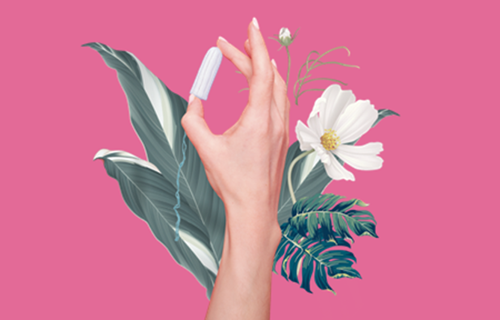
Period products come in different shapes, sizes and absorbencies and they’re chosen based on flow, not body size.
Some common options include:
People may use different products at different times in their cycle, and preferences can change over time. There’s no “right” choice, just what feels comfortable for the individual.
Yes! They can be.
Period cramps happen when the uterus contracts to shed its lining. For some people this feels like a dull ache; for others it can be sharp, intense or exhausting.
Cramps are often described as:
Periods can also come with other symptoms like bloating, nausea, headaches, diarrhoea, fatigue and lower back pain.
Severe or sudden changes in pain shouldn’t be ignored — if period pain becomes debilitating, checking in with a healthcare professional is important.
Pain isn’t the only thing that can affect someone during their cycle — hormones can impact mood too.
PMS (Premenstrual Syndrome) refers to physical and emotional symptoms that can happen in the week before a period.
Not everyone experiences PMS, but for those who do, symptoms may include:
These symptoms are caused by hormonal changes, they’re real, and they’re not “over‑reactions”. Listening, being patient and showing understanding can go a long way.
Generally, no, especially if it’s used to dismiss someone’s feelings or reactions.
Asking this question during an argument or when someone seems upset implies their emotions aren’t valid, which can be frustrating and hurtful.
However, if you’re asking from a place of care, for example, to offer help or support, context matters. Lead with empathy, not judgement.
Being supportive doesn’t require grand gestures, just normalising periods and showing understanding.
Here are a few simple ways to help:
Tampons and pads are everyday health products. Treat them the same way you would toilet paper or shampoo, no jokes, no weird reactions.
Having pads or tampons available at home (or even in a car or bag) can be genuinely helpful and reassuring.
If someone makes jokes or shames others for periods, speak up. A calm correction helps change attitudes and make spaces more comfortable for everyone.
Periods are a normal part of life, and understanding them helps remove stigma and misinformation.
The more you learn, the better equipped you are to support friends, partners, family members and colleagues with empathy, respect and confidence.
Here’s to more open conversations and better understanding.