Summer should be all about enjoying yourself, not stressing over your skin. But hot weather can bring extra oil, sweat, and breakouts. Don’t worry, we’ve got simple tips to help you keep your skin feeling fresh and comfortable.
Hot weather, long days, and more time outdoors... what’s not to love about summer? But while you’re enjoying the sunshine, your skin might start to feel a bit different. More oil, more sweat, and sometimes more breakouts can all happen in the heat, but don’t worry, it’s completely normal and easy to manage.

When the temperature rises, your body naturally produces more sweat and oil (sebum) to keep you cool.
This can:
Spending more time outside can also mean more exposure to the sun, which makes SPF even more important.
In summer, you’re not always at home, so keeping things simple matters:
Essentials like the Lil‑Lets Cottons range - including cotton pads, buds, and dry wipes — can be really useful for quick, gentle refreshes when you’re out and about or after a long day in the sun.
Cotton Wool
It’s very common to notice more spots in summer, especially if your skin is already changing during puberty. Sweat and oil can make breakouts more noticeable, but it doesn’t mean your skin is “bad”, it just needs a little extra care.
Summer is about enjoying yourself, not stressing over your skin. A simple routine, a bit of consistency, and being kind to your skin will go a long way.
Remember - no one has perfect skin, especially in hot weather. What matters most is feeling comfortable and confident in yourself 💛
Got enough going on without your skin breaking out too? Don’t worry, we’ve got simple tips to help you feel more confident in your skin.
Be Skincare SavvyWondering when you should start shaving your legs or underarms? You’re not alone! Here’s what you really need to know to make the choice that feels right for you.
When Should I Start Shaving? A Simple Guide for TeensPuberty can be confusing, but staying clean and confident doesn’t have to be. Learn simple hygiene tips every girl should know.
Puberty & Intimate Hygiene: A Simple Guide for Girls
Spots are very common during puberty because your hormones increase the amount of oil your skin produces. This oil can mix with dead skin cells and block your pores, which leads to breakouts. It might feel frustrating, but it’s something most teens experience at some point.
Twice a day is more than enough, once in the morning and once before bed. Washing too often can actually irritate your skin and make things worse, so keeping it simple and consistent is best.
No. you really don’t. A simple routine (cleanser, moisturiser, and a good SPF) is more than enough for most teens. Using too many products can overwhelm your skin and cause more problems.
It’s best to avoid it. Squeezing spots can make them more red, painful, and introduce bacteria, which is likely to leave marks or even scars. As tempting as it is, leaving them alone will help them heal faster.
Using a face cloth or flannel can help remove dirt and make-up, but it’s important to keep it clean. If it’s reused too often without washing, it can hold onto bacteria, which may then be transferred back onto your skin and lead to breakouts.
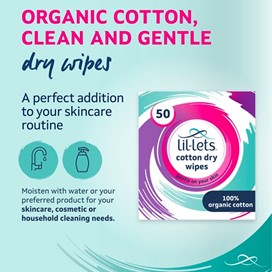
That’s why some people prefer using fresh, single-use options like gentle dry wipes, as they reduce the chance of bacteria building up. If you do use a cloth, just make sure it’s washed regularly and fully dried between uses to keep your skin as clean as possible.
During puberty, your body produces more oil to help protect your skin. This is completely normal, but it can make your face feel shiny or lead to spots. Using a gentle cleanser and light moisturiser can help manage it.
Yes, sun protection is not just for adults! Even in the UK and even when it’s cloudy. SPF helps protect your skin from damage caused by UV rays and keeps it healthy long-term. It’s one of the easiest ways to take care of your skin.
If your spots are really bothering you, not improving, or starting to affect your confidence, it’s a good idea to speak to your parents or the person who cares for you and the may pop you to your local pharmacist or GP for a chat. It's tricky to know sometimes what's a spot or if it's acne, but there’s lots of help available, and you don’t have to deal with it on your own.
Not always! Your skin is likely very different to your mum’s, especially during your teen years. Teen skin often produces more oil and can be more prone to spots, while adult skin can be drier or need different ingredients.
It’s best to use gentle, simple products that suit your own skin type rather than sharing everything. If something works for you, that’s great, but don’t feel like you need to follow the same routine. Your skin is unique, and it’s all about finding what feels right for you.
Spots don’t just happen on your face, your chest and back have lots of oil glands too, so they can break out in the same way. During puberty, your body produces more oil, and when that mixes with sweat (especially after exercise or in warm weather), it can block pores and cause spots.
Simple things can help, like showering after sweating, wearing loose clothing, and using gentle skincare on those areas too. It’s really common, so try not to feel embarrassed, lots of teens experience it, and it usually improves over time.