Selecting your first bra can feel like a big decision, and it’s natural to have lots of questions! So whether its your first bra or even a starter bra, here’s a guide to help you make the right choice with confidence.
If you’ve started noticing your breasts showing through your clothes or feel a bit of movement during P.E. or sports, it might be time to think about getting your first bra, training or a starter bra. And guess what? That’s totally normal!
With so many styles, colours, and types out there, bra shopping can feel exciting—but also a little overwhelming. Who do you ask? Where do you start? Don’t worry, we’ve got you covered.
This is all about what makes you feel comfortable and confident, so take your time, go at your own pace, and choose what feels right for you.
If the idea of asking for a bra fitting in a store makes you nervous, you’re not alone! The good news is, you can measure yourself at home with just a tape measure and a few easy steps.
Our simple three-step guide helps you find your size without stress. Knowing your size before you shop can make the whole experience easier and help you feel more confident when picking out your first bra.
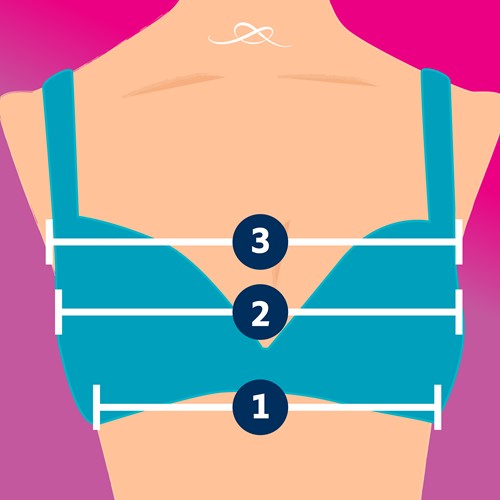
Step 1: Measure Under Your Bust (Band Size)
Wrap a soft tape measure around your body, just under your breasts. Make sure it’s snug but not too tight, you should be able to fit a finger under the tape. This number helps you find your band size (like 28, 30, 32, etc.).
Step 2: Measure Around Your Bust (Cup Size)
Now measure around the fullest part of your chest (usually across your nipples). Again, keep the tape comfy not tight! This helps figure out your cup size (like AA, A, B, C, etc.).
Step 3: Optional – Measure Over the Top
For a more accurate fit, you can also measure across the top of your chest, above your breasts. This step isn’t a must, but it can help you feel more supported and comfy in your first bra.
Once you’ve measured yourself and read through this guide, you can click the link to ASK VICKI to get your own personalised bra size advice. Vicki will help you figure out the best fit for your first bra, so you feel comfy and confident!
Wearing a bra that fits well is super important, especially while your breasts are still developing. Here’s why:
A good-fitting bra won’t pinch or rub. If it’s too tight or too loose, it can move around and feel uncomfortable.
As your body changes, a supportive bra helps keep your breasts in shape and gives you the support you need during activities like school, sports, or just hanging out.
The right bra can help you stand up straighter and feel more balanced, especially during growth spurts!
Feeling nervous about bra shopping? That’s totally normal! Here are some tips to make it easier:
If you haven’t brought it up yet, try asking your mum or another trusted adult something like:
“Hey, how old were you when you got your first bra?”
It’s a great way to start the conversation!
There are lots of styles out there, but don’t worry—we’ve made a simple bra guide to help you choose the one that’s right for you. Whether it’s a training bra, sports bra, or soft cup bra, the best one is the one that feels good on you.
A training bra or starter bras are soft, lightweight bras made for girls who are just starting to grow breasts—usually between ages 8 and 14. It looks a bit like a crop top and gives you light support and coverage.
Training bras help you get used to wearing a bra and can make you feel more comfortable, especially if your chest feels sore or sensitive during puberty. They don’t change your shape—they’re just there to help you feel secure.
You can find them in lots of styles, like ones that pull over your head or have adjustable straps. The most important thing is to choose one that fits well and feels comfy!
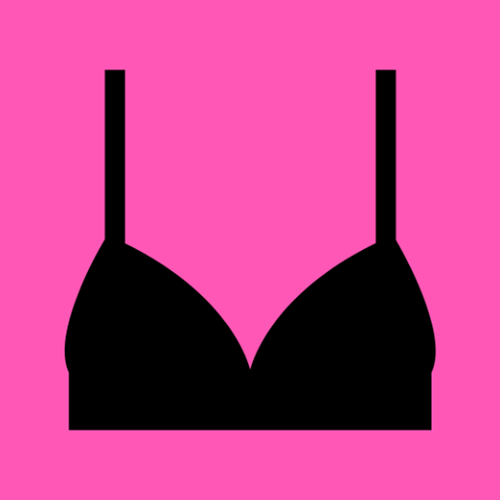
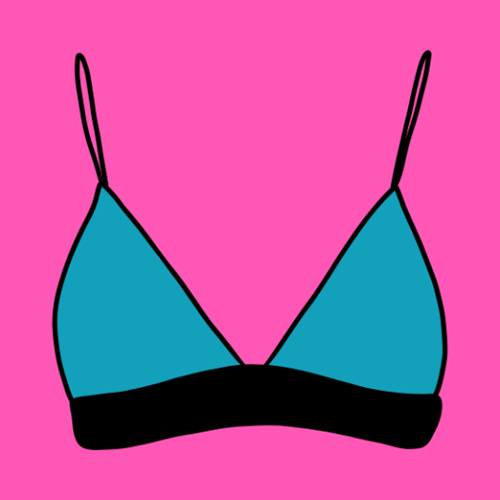
A non-wired bra (also called a soft bra) is a type of bra that doesn’t have any hard wires inside. That means it’s super comfy and gentle - perfect if you’re just starting to wear bras.
These bras are made with soft, stretchy materials and give you light support without feeling tight or stiff. They come in different styles like bralettes, crop tops, and soft-cup bras, so you can choose what feels best for you.
They’re a great choice if you want something that feels natural and easy to wear every day!
An underwired bra has a thin wire under each cup to give your breasts more shape and support. These bras are usually better for older teens or when your breasts are more fully developed.
Important: If the wire presses into your breast tissue while your breasts are still growing, it could affect their shape or feel uncomfortable. That’s why it’s best to wait a bit before wearing one.
If you do try an underwired bra, make sure:
There’s no rush—soft bras or bralettes are great while your body is still changing!
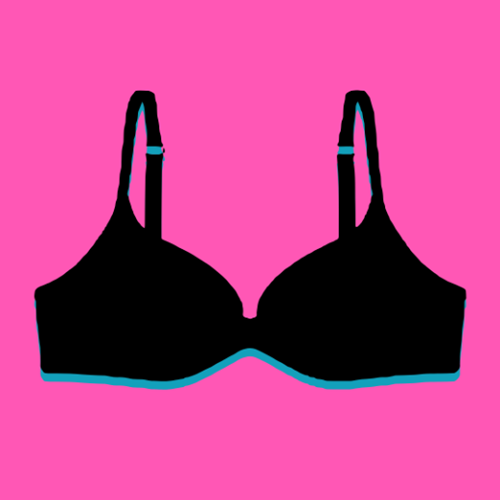
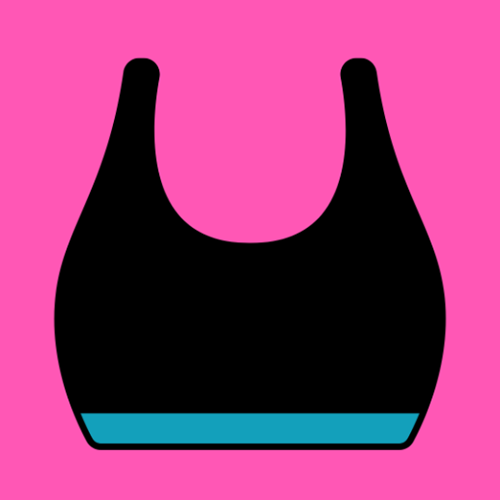
As your breasts start to grow, you might notice they move or bounce when you run, jump, or play sports. This can feel uncomfortable—or even a little painful.
That’s where a sports bra comes in! Sports bras are made to hold your breasts in place while you move, so you feel more comfortable and supported during exercise.
They also help protect the ligaments (the stretchy parts inside your breasts) from getting sore or stretched out. So if you’re active and love things like P.E., dance, or sports, a sports bra is a great choice to add to your bra collection.
A padded bra has soft padding inside the cups to give your breast a little more shape and smoothness, especially under fitted tops or dresses.
During puberty, it’s super common for one breast to grow faster than the other. A padded bra can help make things look a bit more even while your body is still changing—and that’s totally normal!
Also, if you’re feeling a little shy about your nipples showing through clothes, padded bras can help cover and smooth that area so you feel more confident.
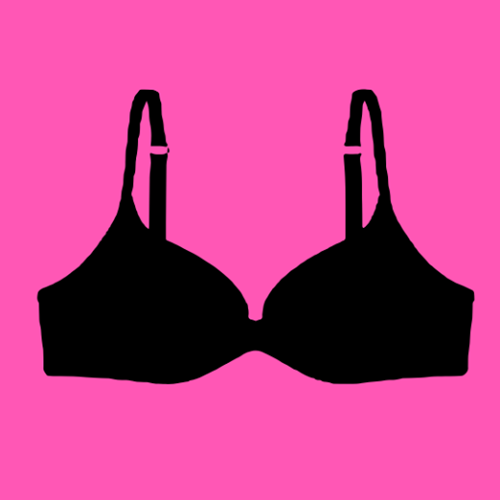
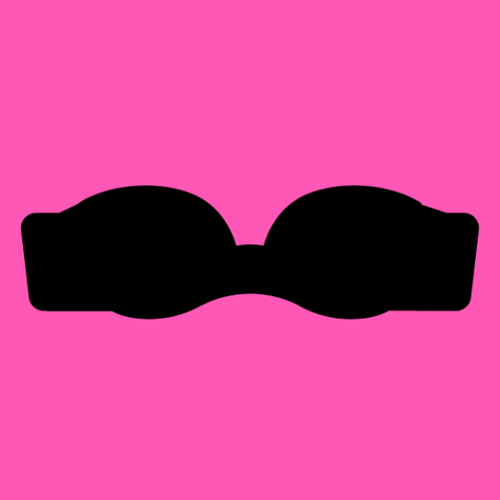
Strapless bras work in the same way as a regular bra and let you remove or adjust the straps. This is useful when you're wearing a top or dress and you don't want your bra straps to show.
Getting your first bra is a big and exciting milestone, and we hope this guide has helped you feel more confident and ready for the journey ahead. Remember, there’s no “perfect” time or style—just what feels right for you. So take your time, ask questions, and enjoy this new step in growing up!
Have you been measured for your first bra and now don’t feel like it fits quite right! Read on for our guide to the perfect fit!
Bra Fitting Problems - A Guide For Teens?Have you ever wondered what breasts are made of, or what’s happening as they grow during puberty, you’re not alone.
What Are Breasts Made Of?Breast development is one of the first signs of puberty in girls, often starting with small bumps called breast buds.
Breast Development & Breast Buds
Please don't worry, it's very normal for one breast to start developing before the other, the other breast will catch up in time. In the meantime try a soft padded bra to help align both breasts as they develop.
One of the first signs you may be ready for a bra is when you start to notice your breasts move about when you're running around or your nipples may start showing through your clothes! They can often feel tender too as they start to grow and need support.
It's a good idea to measure for a new bra, every six months during puberty, as your body will be changing quite a lot and growth spurts are common.
Not as often as you think. My tip is to wear them 3-4 times before washing and to have 3 bras in your collection so you can rotate use. This ensures your bras keep their shape too.
Some people like to do this; it really is up to you. There is no medical reason why you should and if you want a break from wearing a bra then going braless at night is the best time.
It's totally normal to feel a little self-conscious when you first start wearing a bra. My tip is to ease into it is by starting to wear it around the house in the evenings or on weekends. This will help you get comfortable with the feel of a bra before wearing it to school.
And if anyone notices or comments, try not to let it bother you. People might make remarks without realising how they come across, but remember, after a few days, your new bra will be old news, and everyone will move on. This is all part of growing up, and you'll quickly find what makes you feel most comfortable and confident!
The simple answer is not if you don't want to! It really is a personal choice. Some people choose to wear bras for support, especially during sporting activities. Bras can also prevent chafing against clothing, especially as they develop. But there’s no medical reason why you need to wear one, it's completely up to you and what makes you feel most comfortable in different situations.
If you find bras uncomfortable, alternatives like bralettes, crop tops, sports bras, or simply going without are totally fine options.