One week your skin is glowing, your makeup sits perfectly, and you're convinced you've finally cracked the skincare code. Then seemingly overnight, you're dealing with breakouts, sensitivity, dryness, or all three at once.
Ever feel like your skin is sending mixed signals? Glowing one week, breaking out the next, then suddenly feeling dry, oily and sensitive all at the same time?
Before you blame your skincare routine, your menstrual cycle could be playing a bigger role than you realise.
Just like your mood, energy levels and cravings can change throughout the month, so can your skin. These shifts are completely normal and are largely driven by changes in your hormones.
The good news? Once you understand what's happening behind the scenes, those frustrating skin days start to make a lot more sense.
Every cycle is different. Some people have a 21-day cycle, others a 34-day cycle, and many fall somewhere in between. Rather than focusing on exact dates, it's helpful to think about the four phases and how they may affect your skin.
Let's take a closer look.
During your period, lower levels of oestrogen and progesterone can leave skin feeling a little drier, duller or more sensitive than usual.
Instead of reaching for lots of products, think comfort and hydration.
Try:
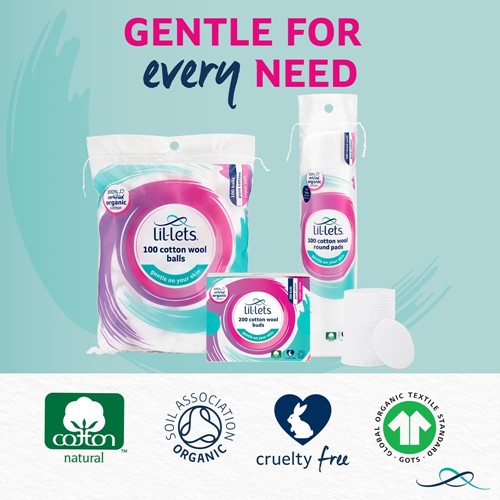
If your skin is feeling particularly sensitive, soft cotton wool pads can help apply toner or remove makeup without unnecessary rubbing or friction.
Think of this phase as your skin's time to rest and reset.
As your period comes to an end, oestrogen starts to rise and many people notice their skin looking brighter, fresher and more hydrated.
This is often when your complexion feels its most balanced.
You might notice:
Try:
This is the phase where your skin often rewards you for all those good skincare habits.
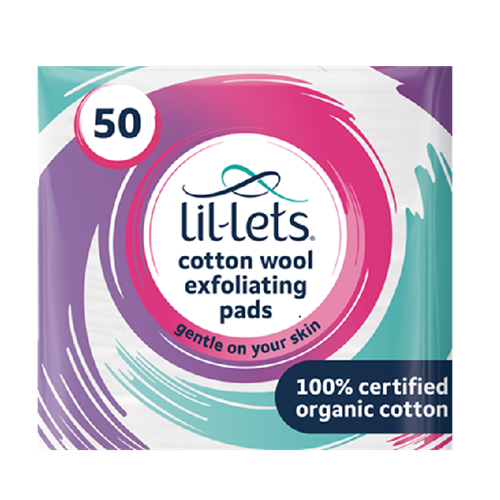
Lil-Lets Cotton Exfoliating Rounds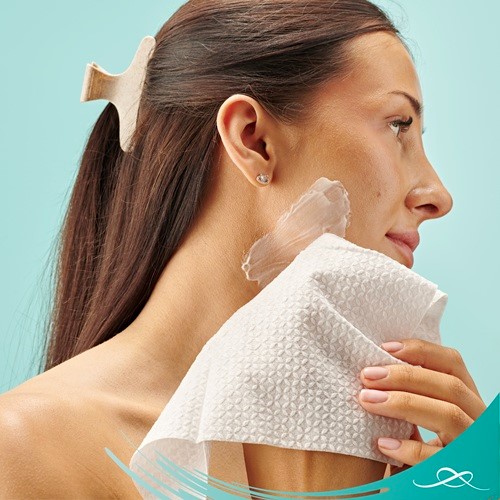
Around ovulation, many people notice their skin looking particularly healthy and radiant.
It's the phase where make-up seems to sit better, skin appears plumper, and confidence gets a little boost.
However, some people may also notice slightly increased oil production.
Try:
A gentle cleanse at the end of the day using a soft cotton dry wipe can help remove makeup, SPF and excess oil without over-stripping your skin.
Lil-Lets Cotton Dry Wipes
If you've ever looked in the mirror a few days before your period and wondered, "What is my skin doing?", this phase is often the reason.
After ovulation, progesterone rises while oestrogen begins to fall. For many people, this is the phase most commonly linked to hormonal breakouts, congestion and increased sensitivity.
You might notice:
When your skin is already navigating hormonal changes, now isn't the time to try every trending skincare product you've seen on TikTok.
Instead:
When applying skincare or removing makeup, choose soft cotton wool products that are gentle on skin and won't add to irritation.
And remember: luteal-phase skin isn't a skincare failure. It's a normal response to hormonal changes and it won't last forever.
The truth is, your skin isn't supposed to look exactly the same every day of the month.
Your menstrual cycle, hormones and overall wellbeing all play a part in how your skin behaves. Understanding those changes can help take some of the stress out of unexpected breakouts, dryness and sensitivity.
Instead of chasing perfect skin, focus on supporting your skin through each phase of your cycle. Sometimes that means adding hydration. Sometimes it means simplifying your routine. And sometimes it simply means being a little kinder to yourself.
Because healthy skin isn't about perfection. It's about understanding what your skin needs today.
Whether you're removing makeup, applying toner or refreshing your skin at the end of a long day, the Lil-Lets Cotton Wool Range offers soft, gentle essentials designed to fit seamlessly into your skincare routine - whatever phase of your cycle you're in.
You're not imagining it. Many of us notice hormonal breakouts in the days leading up to their period as hormone levels change throughout the menstrual cycle.
These shifts can increase oil production and inflammation, making spots, congestion and acne more likely to appear. Hormonal breakouts often occur around the chin, jawline and lower cheeks.
Yes, completely. Your skin responds to fluctuations in oestrogen and progesterone throughout the month, which can affect hydration, oil production, sensitivity and even how radiant your complexion looks. It's normal to experience different skin concerns during different phases of your cycle
This one's a bit of a myth.
Despite what you've probably been told, eating a chocolate bar or ordering a takeaway won't automatically cause a spot to appear the next morning. Hormonal changes during your menstrual cycle are usually the biggest driver behind period-related breakouts.
That said, some people find certain foods seem to affect their skin more than others. Diet is highly individual, and what's a trigger for one person may have no impact on someone else.
If you're craving comfort foods before your period, try not to stress about the occasional chocolate bar or pizza night. A few hormonal breakouts don't mean you've done anything wrong, and enjoying your favourite foods is part of looking after yourself too.
When you're on your period, it's often best to keep things simple. Focus on gentle cleansing, hydration, moisturising and daily SPF. If your skin feels more sensitive than usual, avoid over-exfoliating or trying lots of new products at once. Supporting your skin barrier is usually more helpful than aggressively treating every blemish.
As frustrating as it sounds, this is actually quite common. Hormonal changes before your period can increase oil production while also affecting your skin barrier, leaving some areas feeling dehydrated or sensitive. That's why you may experience shine, breakouts and dry patches all at once.
You don't need a completely new skincare routine every week, but small adjustments can help. For example, you might focus on extra hydration during your period and prioritise oil control and breakout prevention in the days leading up to it. The key is supporting your skin's changing needs rather than constantly switching products
In many cases, yes. Ingredients such as salicylic acid, retinoids and niacinamide can help manage hormonal acne.
However, if your skin feels irritated, sore or unusually sensitive, it may be worth reducing how often you use active ingredients and focusing on hydration and barrier support instead.
For many people, period acne starts a few days before their period and begins to improve once menstruation starts and hormones settle. However, everyone is different, and some breakouts can linger for longer. If acne is severe, painful, causing scarring or affecting your confidence, it's worth speaking to a healthcare professional or dermatologist.
Not at all. Hormonal breakouts are usually linked to natural fluctuations in your menstrual cycle, not a failure of your skincare routine. Sometimes the most effective approach is sticking to a gentle, consistent routine and avoiding the urge to overhaul everything when a breakout appears.