Navigating the post-partum phase is daunting enough, so we’ve put together this handy guide on how to use breast pads, so it’s one less thing to figure out while you adjust to parenthood.
Having a baby comes with a whole lot of questions and uncertainty around all the new things your body, your baby, and your family will be facing.
Managing milk supply, and learning your baby’s cues, figuring out nursing is daunting enough. Our breast pads are designed with mums in mind, so you can easily fit them into your new nursing routine.
Whether you’re breastfeeding, expressing, or bottle-feeding, many new mums experience some milk leakage as their supply settles.
It’s completely normal and breast pads are a simple, soft solution to help you stay dry and comfortable. They can:
Think of them as a small but mighty support tool in your postpartum toolkit.
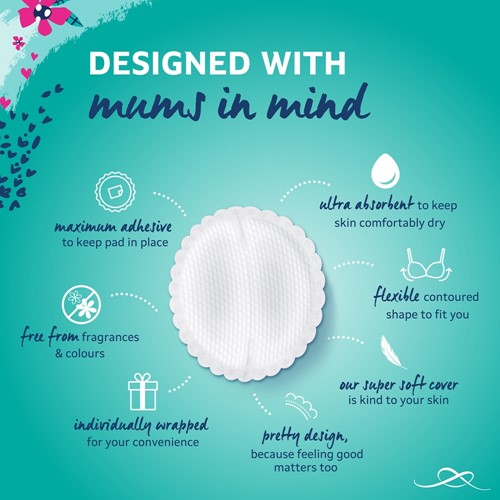
Breast pads are soft, absorbent liners that sit inside your bra to catch any leaks. They’re especially useful in late pregnancy and the early weeks after birth, when your body is adjusting to feeding and your milk supply is still regulating.
Lil-Lets Maternity Breast PadsBreast pads are a discreet way of dealing with milk leakage in late pregnancy and in the post-partum period. They fit neatly into the cups of your bra, to protect your clothing from any unexpected milk leaks, or while your body adjusts to creating the perfect milk supply for your baby’s demand.
Towards the end of pregnancy and while you establish a breastfeeding relationship with your newborn, you may notice some leaks or wet patches on your bra or clothing. Don’t worry - this is completely normal and brought about by the hormonal changes that take place as your body prepares for birth and gets used to making enough milk to feed your baby.
Breast pads are an easy and comfortable way to protect your clothing from stains, and keep you fresh and dry to tackle your day with confidence. They are absorbent, discreet, and super soft, which is important when nipple sensitivity may be heightened.
This simple guide explains how to use breast pads, how often to change breast pads, and how many breast pads to pack in your hospital bag, so you have one less thing to worry about as you prepare for life with your little one.
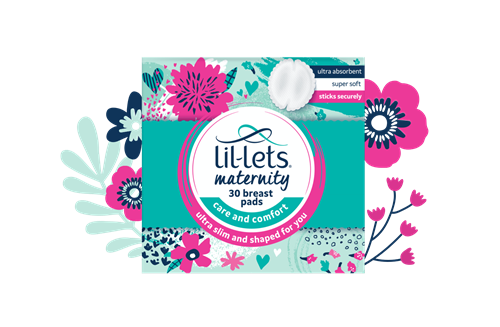
Our breast pads are individually wrapped for convenience and on-the-go use. When you’re ready to use one, simply open the wrapper and unfold the breast pad.
Remove the release tape covering the adhesive strips on the back of the pad. These will keep your breast pad securely fastened to your bra.
Finally, slip the pad into your bra, with the adhesive patches facing your bra, and the soft, absorbent side touching your nipple. Our breast pads are designed with flexi-fit and will gently contour to the shape of your breast for a comfortable fit.
Lil-Lets Maternity Breast PadsDepending on how much leakage you experience, you may need to change your breast pads more or less frequently.
It’s easy to change them when you feed your baby, so consider keeping your breast pads handy if you have a favourite nursing spot. This also ensures you are changing your breast pads every 3 to 4 hours, which is ideal for hygiene purposes.
It’s best to change your breast pads during each feed to keep your skin healthy and maintain good hygiene.
However, if you experience heavy leakage between feeds, changing them more frequently will help keep you dry, comfortable, and prevent irritation.
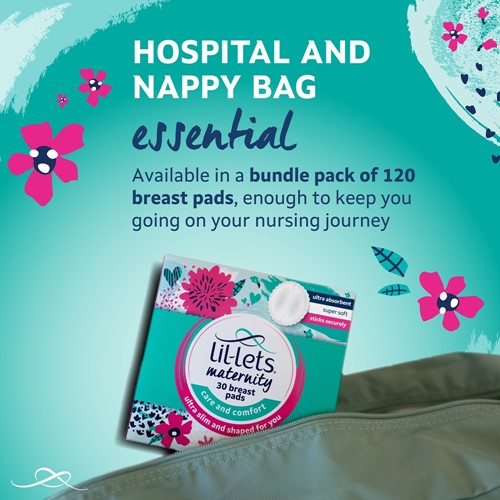
If you’re preparing for birth, consider packing a few breast pads in your hospital bag. They’re lightweight, discreet, and can help you feel more comfortable during those first feeds.
Maternity Hospital Bag ChecklistNew mums typically wear breast pads for the first few weeks or even several months postpartum, it really does depend on your individual breastfeeding journey and milk supply.
Here’s a breakdown:
It might be tempting to toss a used breast pad into the toilet especially during those busy, sleep-deprived moments but please don’t. Breast pads are not designed to break down in water and can cause plumbing blockages and environmental harm.
Instead, wrap them up and dispose of them in a covered bin. If you're using biodegradable pads, check if your local waste system allows compostable disposal. Keeping a small bin or disposal bag nearby can make clean-up quick and easy.
Check out - What Are Our Breast Pads Made Of?
Every mum’s journey is unique, and there’s no one “right” way to do things. Breast pads are just one small way to support you as you navigate this new chapter. You’re doing an amazing job and we’re here to help you feel confident every step of the way.
How often to change breast pads depends on you and your level of leakage. Most mums change them every 3-4 hours, some like to change them after every feed, or replace them when they are saturated.
No, you don’t need to wear breast pads all the time. How often you wear breast pads depends on you. Some mums wear them all the time if they are nursing, or for the first few weeks following birth when breast milk comes in, while others choose to wear them only if they are out and about.
Yes, breast pads are safe to use. As with anything that sits next to the skin, it's important to change them regularly to prevent any build-up of moisture, which can lead to irritation that can sometimes lead to mastitis.
No, Lil-Lets breast pads do not expire, but for optimal adhesive performance, it’s best to use them within 4 to 5 years. It’s also a good idea to store them in a cool, dry place to maintain their quality over time.
How many breast pads you’ll need depends on your level of leakage, but most mums go through 3 pairs a day. This is also a good guideline of how many breast pads to take to the hospital in your hospital bag.
Most mums use breast pads for the first few weeks and up to several months postpartum.
If you’re leaking a significant amount of breast milk and needing to change your breast pads every 1–2 hours, you may have an oversupply of milk. This is a common issue and can often be managed by adjusting your baby’s feeding routine, ensuring they feed regularly without long gaps between sessions.
While an oversupply of breast milk is usually not a cause for concern, in some cases, it can lead to discomfort, engorgement, or even mastitis. If you experience pain, persistent leaking, or other concerns, it’s best to consult a healthcare professional for advice.
The super absorbent polymers (SAP) used in our breast pads, as well as in many other absorbent products, are designed to lock in breast milk by turning into a gel upon contact. However, if you’ve noticed significant swelling or the seal breaking, it may help to change the pad more frequently, especially after a large milk release or prolonged wear.
Rest assured, SAP is considered non-toxic and has a long history of safe use in products like nappies, period products, and breast pads. However, if you’re worried about the possibility of your baby coming into contact with the gel, we recommend reaching out to your doctor or midwife for further reassurance and guidance.