Recovering from a Caesarean birth takes time, patience, and self-care. Since it’s a major abdominal surgery, your body needs rest and gentle movement to heal properly. Understanding what to expect can help you feel more in control and supported. Here are my key tips to help you recover smoothly and comfortably.
Written by Lara Taylor, UK Specialist Midwife
Caesarean recovery is typically longer than a vaginal birth, as it involves healing from major abdominal surgery.
You may experience more pain, limited mobility, and a longer hospital stay.
Tasks like lifting, driving, and exercise will need to be approached gradually.
However, with proper rest, pain management, and support, recovery can be smooth, allowing you to focus on bonding with your baby.
Having supported many women and their babies in the 4th trimester, one thing I do notice is the recovery period after birth being totally underestimated!
Especially following a Caesarean birth, when not only are you recovering from major surgery, and managing the many changes your body has experienced throughout over the pregnancy, there’s the transition to parenthood to consider too!
Its fair to say that with the lack of sleep a little one can bring, added to the huge life adjustment of caring for another human being, you can sometimes overlook your own recovery and needs, as the priority to care and nurture a new baby becomes more prevalent.
Lara Taylor - Specialist Midwife
I often have to dismiss the “only 6 weeks” for full recovery often quoted for vaginal births, and share the reality that it can in fact be anywhere between 6-18 months, when a c-section has been experienced. Sometimes even longer!
The 6- week mark is totally unrealistic and because the GP postnatal appointment is seen as a ‘sign off’ for exercise and intimacy, it can put pressure on mothers who have had this operation leading them to question why they’re not feeling like their pre-pregnancy self at this point.
Feelings of disappointment and failure then ensue which can hugely affect mental health, impacting the whole experience of motherhood.
But Let’s look at this realistically - you’ve developed, grown and birthed a whole other human, you’re transitioning to a new self of being a mother...is 6 weeks going to be enough time?
So, I really want to highlight that every recovery pathway is individual and its very important to listen to YOUR body. Be gentle with yourself and reduce your expectations. Take each day as it comes and respect the process.
Lets look at the physical aspect of your recovery, giving you a deeper understanding of the changes and how to best manage them:
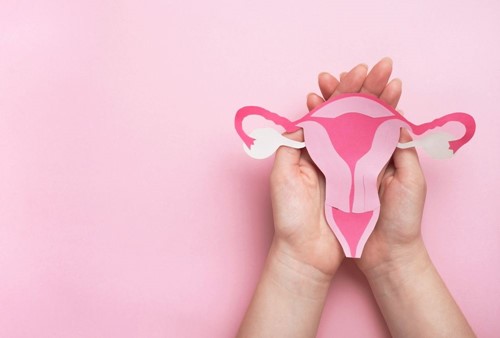
The uterus (womb) – the length of the incision to birth baby is usually around 10-15 cm (4-6 inches) in length.
Following the baby’s birth, the uterus is closed using dissolvable stitches, which heal over time as your body works to repair the 6 layers. Dissolvable stitches are generally used to close the outer layer of the skin too. On occasion staples may be used which will require removal at around 7-10 days by your Community Midwife.
Lochia in the days following a Caesarean – A question I am often asked is “Will I still experience bleeding after a C-section”. The answer is Yes, regardless of whether you had a vaginal birth or a Caesarean you will still experience loss.
Postpartum bleeding occurs after childbirth and is known as lochia, which is made up of the excess tissue, blood, and mucus that lined your uterus during pregnancy and you will still need maternity pads to help manage this flow. See Lil-Lets post on How to Manage Postpartum Bleeding.
After pains are common and are often likened to period pains, or mild contractions. Yes they can be uncomfortable but are actually doing good! They are not only helping to reduce bleeding but are also a sign that your uterus is returning to its pre-pregnancy size.
You may find after pains a lot stronger if you’ve had a baby before or find them presenting as you breast feed your baby.
After a Caesarean, the uterus is still capable of carrying a pregnancy in the future, but doctors may monitor more closely in subsequent pregnancies due to the risk of uterine rupture or placenta issues.
The vagina - Since the baby is delivered through an abdominal incision, the birth canal is not involved in the birth process. This means that the vaginal tissues, muscles, and pelvic floor muscles are not stretched or affected in the same way as they are during a vaginal birth.
However, if you laboured and your birth resulted in an emergency Caesarean, or interventions were carried out (such as a catheter insertion), then those areas may still need some attention during your recovery.
Having a good nutritious diet post Caesarean is more than just fuel for energy but is crucial for physical and emotional recovery.
Your body’s nutritional requirements increase to help heal your wound, repair the tissues and support milk production if you choose to breastfeed. It’s a big job so we need the right foods to support this:

Protein - for healing and repair – red meat, chicken, fish, eggs, beans.
Fibre - to support digestion and your bowel movements – fruit, vegetables and grains.
Iron - for replenishing blood loss – liver, red meat, dark green vegetables.
Vitamin C - to help with Iron Absorption – oranges, red peppers, and broccoli.
Healthy fats -for healing and to support milk production – nuts, seeds, and avocado
Wound healing after a Caesarean usually takes around 6-8 weeks, but this can vary depending on individual circumstances, including your overall health and how well you rest and recover.
Remember, there are six layers of tissue that need to heal- not just one!
The type of dressing used and how long it stays in place will depend on where you gave birth. Your healthcare provider will let you know when it’s time to remove the dressing. However, if you notice any fresh bleeding, it’s important to notify them.
Once the dressing is removed, keeping the wound clean is crucial to reduce the risk of infection.
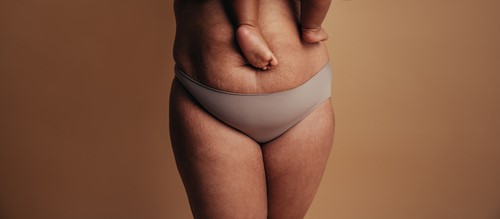
• Always wash your hands before touching the skin near your wound.
• Clean the area daily with water or natural, fragrance-free products.
• Opt for showering instead of bathing to avoid submerging the wound.
• Gently pat the area dry with a clean cloth or towel.
• Wear loose-fitting underwear and clothing to avoid irritation.
• Allow your wound to be exposed to air regularly to aid the healing process.
It’s so important to be aware of your wound and to look at it, even if it takes a little time for you to build up the courage.
If you can’t, make sure your partner or someone supporting you can. Being aware of your wound can have many benefits and it’s easier for you to notice any changes, or redness that may indicate infection.
Taking photographs is a good way to document the changes and healing, and It can also bring positivity as you see the recovery and improvement in your scar.
Here are some signs to watch out for that may indicate infection. If you notice any of these, contact your midwife or GP immediately:
• A feeling of heat or warmth around the wound area.
• Redness around the wound.
• Any opening or gaping of the wound.
• Oozing from the wound.
• An unpleasant smell.
• Increased pain at the wound site.
• A fever.
Taking care of your Caesarean wound and being patient with the healing process can make a big difference in your recovery journey.
Specialist scar creams may be useful once the wound has healed.
Silicone gel or sheets can be applied directly to a caesarean scar around 2-3 weeks after surgery, when the wound is healed. They are known to provide a protective barrier whilst helping to optimise healing, with the Silicone known to help hydrate the scar area, reduce redness, flatten and soften the scar and reduce discomfort.
Scar Sensation: You may feel numbness to the area surrounding your scar, and this is perfectly normal. It’s a good idea to begin gently stroking the area around your wound to give you an idea of the sensation present. Tapping the area can also help but I would recommend only doing this from 2-3 weeks following your operation.
Scar Massage: Massaging your scar has so many benefits but is rarely talked about. It can increase blood flow to the area to aid healing, reduce numbness, help to soften scar tissue and flatten the scar, as well as reduce discomfort in future pregnancies.
It can be carried out any time after 6 weeks, but you must firstly make sure to your wound has completely healed, that there are no visible stitches or staples and no sign of infection.
Oh, but first you need to feel ok with touching it, and I appreciate that many new mums are totally unprepared for this!
You can start with a few minutes a day when you feel ready, following this step by step guide:
Here’s how to do it safely:
Wait until fully healed – Begin scar massage only after at least 6 weeks and once your wound is fully closed, with no signs of infection.
Use gentle pressure – Start with light circular motions around the scar before gradually increasing pressure.
Apply an oil or cream – A natural oil or fragrance-free moisturiser can help your fingers glide smoothly.
Try different techniques – Use circular, side-to-side, and up-and-down motions to break down adhesions and improve flexibility.
Be consistent – Massage for a few minutes daily for the best results.
Listen to your body – If you feel pain or discomfort, ease up and consult your healthcare provider if needed.
Pain Relief: Recovering from a Caesarean can be challenging, especially if it’s been an emergency procedure. You may experience abdominal pain from the surgery itself, along with the lingering effects of hours of labour, which can heighten your pain sensitivity.
Pain following Caesarean is normal, but it’s important to remember that pain levels vary from person to person.
This pain can affect many aspects of your life, including sleep, bonding with your baby, and your overall recovery.
And recovery can be different for everyone and does depend on your birth experience so its essential to listen to your body and ask for pain relief when you need it.
Don’t hesitate to request stronger medication if you feel it’s necessary—there’s no shame in needing more support.
Tip: Regularly taking paracetamol and ibuprofen together can help manage pain effectively. I recommend alternating between the two every 3 hours to ensure you're never without pain relief.
Wind pain is a common discomfort after a Caesarean birth, often caused by trapped air in the abdominal cavity.
This can be quite painful and may last for a few days, with the added challenge of slower bowel movements after surgery.
Deferred wind pain can present as shoulder tip pain, as the trapped air puts pressure on the diaphragm.
To help alleviate this, peppermint tea is known to be soothing, but movement is really key. Start with gentle movement, such as walking around your home when you're able.
In addition, practicing abdominal breathing while resting can be beneficial. This technique helps release trapped air and can aid in your body's recovery.
Belly Binding or abdominal binding can help reduce postpartum pain, alleviate symptom distress and improve walking function. Its definitely worth giving consideration to.
Abdominal breathing, also known as belly breathing, is a simple and effective exercise you can start as early as the day after your Caesarean birth. This practice not only helps with recovery but also strengthens your core muscles and improves circulation.
By focusing on deep breaths, it allows your diaphragm to soften and encourages greater mobility in your ribcage and abdomen.
Additionally, abdominal breathing can help open up some of the smaller airways that may have been compromised towards the end of pregnancy. It's a great way to support your body’s healing process and ease discomfort after surgery.
How to do it:
• Place your hands on your belly and relax your body.
• Breathe in through your nose to feel the belly and the ribcage expand and relax,
• Breathe out through your mouth and as you exhale pull your belly button in towards your spine, hold for 3 seconds.
• Repeat this 5-10 times a day, 3 times a day, building up how many repeats you do over time.

After a Caesarean birth, many women find themselves sitting in a semi-reclined position in the hospital bed.
It’s natural to hunch over to protect your wound and abdomen, but this isn’t usually how we sleep at home. To help with your recovery, try gradually adjusting your hospital bed to a flatter position over the first 24 hours. This will support the healing process by keeping the scar tissue gently stretched, and it will also help you build the confidence to move safely and comfortably into your own bed at home.
How many times have I heard women be told that they can’t exercise until after 6 week and their postnatal check-up with their GP.
Movement is so important, for not only reducing the risk of blood clots (those ‘TED’ stockings are helping with that too) but for your overall recovery and mental health.
I’m very lucky to work alongside a women’s health physiotherapist who has some advice for those early days and weeks.
“Having a small pad or cushion is one thing I do recommend having with you for after birth. Using it to place light pressure around your abdomen when moving (or when you need to cough or sneeze), can bring a sense of security, especially when mobilising in those early hours and days.”
“This is also useful in the early days for getting out of bed. Rather than asking someone to help pull you up or pulling on the bed or rope, practice log rolling out of bed. This simply means gently rolling onto your side and sliding your legs over the edge of the bed to use as a lever and pushing up with your top hand. It may be helpful to have your cushion handy as you do this.”
"Women are often told not to lift anything heavier than their baby for several weeks. Great in theory, but not the reality. Buggies, car seats, other small children still need lifting in the early days. So where possible, ask for help but also think about some degree of strength training in pregnancy where possible. That may be as simple as resistance band exercise but if you have specific concerns, speak to a women's health specialist Physiotherapist or PT."
"Following Caesarean Birth women are often told walking is the best form of exercise but given little guidance as to how far, fast or often. The truth is, it really varies between individuals, but the most important factor is pacing. Try short walks not far from home and when you feel comfortable being on your feet and pottering around the house for at least 10 minutes. This could be after a few days to a week, or for some people it may take up to a month. Most importantly listen to your body. If your lochia (bleeding) increases, it's a likely sign you have done a bit too much. There are however other things you can be doing in those early days to aid your recovery."
• Firstly, pelvic floor exercises, always aim to squeeze on the out breath and imagine gently stopping wind and pee. Start simply with 10 squeezes, for no longer than a couple of seconds two to three times a day.
• Look at your posture: stand in the mirror and gently try tucking your tailbone under and releasing several times two to three times a day, as soon as you feel comfortable walking around the bed.
• Look at your shoulder position and practice rolling back and opening through your shoulders.
• Try some gentle neck stretches too.
• Leg slides on the bed and gently rocking your pelvis in a lying position will just help with stiffness before you get up to move.
These are just some simple things to try in those first few weeks that aren't just walking. If you feel you’re ready to do more, sooner than 6 weeks, reach out to a qualified postnatal exercise specialist such as a physiotherapist for guidance.
Miriam Green - Women’s Health Physiotherapist
An unplanned or emergency Caesarean can be traumatic and a very difficult thing to process after the event.
It can bring with it mixed emotions of happiness and relief that your baby is here and safe, but also feelings of guilt and disappointment that you did not birth vaginally.
This may be because your birth didn’t go as planned, or because of the fear and uncertainty you felt during such a critical time.
I’ve supported many families who’ve been profoundly impacted by this experience, and many have shared feelings of being overwhelmed, scared, out of control, and vulnerable. It’s so important to acknowledge these emotions and understand that they are valid.
Both you and your birth partner may have experienced extreme anxiety during your baby’s birth, and these feelings can linger, impacting many aspects of your life - your recovery, bonding, and how you navigate parenting.
If you find yourself avoiding people or situations that remind you of your birth, or if you’re struggling with sleep disturbances, panic attacks, or intrusive thoughts, please don’t hesitate to reach out for help. Your GP or Gynaecologist can offer guidance and support.
The first thing I want to say is that its quite normal to not have strong feelings of closeness with your baby after you’ve given birth.
About 1/5 of parents' experience this and in actual fact, if you’ve experienced an emergency caesarean, it can be especially difficult.
I want to reassure you though, as you get to know your baby over the first few weeks, your love and closeness will grow. See Lil-Lets blog below for more tips.
Bonding With Your Newborn BabyIf your birth didn’t go as planned or you have questions, it's important to reflect on your birth experience.
Speaking with your doctor or healthcare professional can help you process your emotions, address any concerns, and get the support you need.
It really is the basis to your postnatal recovery and your doctor healthcare professional should enquire about your experience on their first visit. It’s a way for them to assess the care and support that is needed in the early postpartum period.
There are also specialist practitioners within each maternity unit that are there to listen and to help you get the answers you need to move forward. This also applies to partners who may have also been deeply affected by what they’ve witnessed.
The transition to parenthood can be challenging, especially if your birth didn’t go as expected.
For any new mum the anxiety and overwhelming responsibility of another human becomes real, but this can be exasperated if your birth didn’t go the way you planned, or if you’ve experienced an emergency Caesarean birth.
My post around perinatal mental health will really help reassure and guide you, as well as support you in identifying if further help is needed.
A caesarean can leave you feeling disconnected from your body. The scar, the swelling, the numbness, and the changes to your stomach are different and new.
You're not alone if you’re struggling with your body image post Caesarean and so here, Amy Bates from The Beauty Rebellion shares some reassuring and insightful words for you.
"Healing isn’t just physical; it’s emotional too. Start by acknowledging what your body has been through. It’s major surgery and “bouncing back” has become way too popular and totally unrealistic. Don’t compare yourself or how your body changes to anyone else. It’s individual to each person. It doesn’t increase your worth as a person or parent if you shrink and recover quickly. Shift your focus to what your body can do. That could be nourishing your baby, moving around or simply getting through the day."
"Do not underestimate the difference wearing clothes that make you feel comfortable and supported can make. Don’t battle with label sizes, go with what you feel good in."
"Challenge negative thoughts because you are going to have them. Pick some positive statements like “ I choose gratitude over criticism when I look at my body” or “I am patient with my body as it heals and adapts.” These will help reframe those feelings and give you some power back."
"Most importantly, give yourself compassion. Your body carried, birthed a human being and is recovering. It deserves your kindness, not criticism. Be kind to yourself the way you would to your friends and family."
Amy Bates - The Beauty Rebellion
Yes, you will still need a postnatal check-up after a Caesarean.
The postnatal check-up usually takes place around 6 weeks after birth, but your healthcare provider may suggest a later visit depending on your individual circumstances. Even if you’re feeling good and your recovery seems to be going well, this check-up is essential to make sure everything is healing as expected, and your mental health is supported.
And even though you have not delivered vaginally, your doctor will most likely advise not being sexually active until your post-natal check-up to ensure your wound has healed and you’re emotionally ready for intimacy following surgery and the birthing experience. I’d also advise to take a look at your contraception options by this point too, as this should also be addressed at this appointment.
Caesarean Birth Awareness month gives us a great opportunity to raise awareness and try to reduce the stigma that remains prevalent around Caesarean births.
This can often be one of the most challenging times in a woman’s life, along with the transition to parenthood, and negative comments like "you took the easy way out" or "too posh to push" only add to the pressure. These harmful remarks need to be left behind, replaced with a wave of support, understanding, and encouragement.
I feel very strongly that the impact of such derogatory comments can have serious consequences on mental health, fostering feelings of failure that can affect not only the individual but also their family and their new baby. This is just one more reason why we need to educate and normalise Caesarean birth.
https://www.nhs.uk/conditions/caesarean-section/recovery/
https://www.tommys.org/pregnancy-information/giving-birth/caesarean-section/recovering-home-after-c-section
https://www.mind.org.uk/information-support/types-of-mental-health-problems/postnatal-depression-and-perinatal-mental-health/ptsd-and-birth-trauma/\
https://www.nhs.uk/conditions/baby/support-and-services/sex-and-contraception-after-birth/
Your right to a caesarean birth - Birthrights
Caesarean section - NHS
C-section (caesarean) tips for dads and partners | Tommy's
Having a c-section | March of Dimes
https://www.nice.org.uk/guidance/ng192
https://www.rcog.org.uk/for-the-public/browse-our-patient-information/considering-a-caesarean-birth/
Miriam Green, Physiotherapy, Pilates and Personal Trainer | Women's Health Specialist
Amy Bates, The beauty rebellion, body image and body positivity
A Caesarean birth (C-section) is a major surgery to deliver your baby. Knowing what to expect can help you feel prepared and confident in your decision. Here’s a step-by-step overview.
Caesarean Birth – What To Expect!We all know the term labour I’m sure: the active process of delivering a baby, and I’m pretty certain now you’re pregnant you’ve heard lots of labour and birth stories, maybe some being more unsettling for you than reassuring!
How will I know I’m in labour?The third trimester of pregnancy, spanning from week 28 to the birth of your baby, is a time of anticipation, preparation, and a little nervousness as the time drawers closer to baby’s arrival.
What To Expect In The 3rd Trimester
Recovery varies, but most women start feeling better after 6 weeks. However, full healing, especially internally, can take several months.
Yes, you’ll still have lochia, which is post-birth bleeding, for around 4-6 weeks as your uterus heals.
Yes, many women can have a Vaginal Birth After Caesarean (VBAC), but it depends on factors like previous incision type and overall health.
Yes, a 6-week postnatal check is important to ensure you’re healing well and to discuss any concerns about recovery or mental well-being.
Doctors typically recommend waiting 4-6 weeks, or after your post-natal examination, but it’s important to listen to your body and wait until you feel comfortable.
Gentle movement like walking is encouraged early on, but avoid strenuous exercise for at least 6-8 weeks or until cleared by your doctor.
Most doctors recommend waiting 4-6 weeks, but always check with your insurance provider and ensure you can brake safely without discomfort.
Yes, many hospitals now offer gentle or family-centered C-sections that prioritise immediate skin-to-skin contact where possible.
Not necessarily, but some mothers feel a delay due to pain, medication, or an unexpected birth experience. Skin-to-skin and responsive feeding can help.
Look out for redness, swelling, oozing, increasing pain, or a foul smell—contact your healthcare provider if you notice these symptoms.
Lara Taylor, Registered Midwife BSc Hons
Private and Independent Specialist Midwife
Educator, Trainer, Copywriter and Speaker.
Specialist knowledge in Fertility, Bereavement Care, Safeguarding,
Enhanced Postnatal Care, C-Section Advanced Recovery,
Newborn Cognitive and
Emotional Development & Breastfeeding.