Thinking about shaving for the first time? Lots of teens wonder the same thing. This guide explains what to think about, plus why talking it through with a parent or guardian can really help.
During puberty, your hormones switch on the tiny hairs you already have and make them grow darker, thicker, or longer. This can happen on your legs, underarms, pubic area, and sometimes even your tummy or arms.
The amount of body hair you have is different for everyone. Some people naturally grow more hair on their legs or underarms, while others grow much less and both are completely normal.
How your hair looks (light, dark, thick, thin, curly, straight) depends on things like your genetics, your family background, and the way your hormones develop during puberty.
Your body is meant to be unique, which means your body hair will be too.
No! You never have to shave unless you want to.
There’s no “right age,” no rule, and no deadline. Your body hair is normal, healthy, and nothing to be embarrassed about.
Not everyone feels the same about body hair, and that’s totally fine there isn’t one ‘correct’ way to think about it. Different families, cultures, and communities see body hair in their own way, and all of those views are valid.
Before you start shaving (or any hair removal), it’s a good idea to talk to a parent or trusted adult first. Not because you need permission to have feelings about your body, but because they can help you stay safe, choose the right products, and protect your skin.
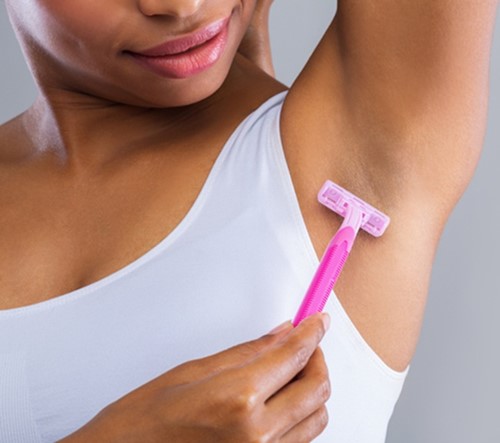
If bumps or ingrown hairs show up - totally normal. A gentle exfoliation a couple of times a week can help.
You don’t need any of these right now (or ever!), but it’s useful to know what they are as you get older:
Always check with a trusted adult before trying anything new.
Shaving (or not shaving) is completely your decision not something you should ever feel pushed into!
Sometimes friends, social media, or people at school can make it seem like “everyone” is shaving already, but that’s rarely true. Most teens are figuring things out just like you, even if they don’t say it out loud.
What matters most is what you feel comfortable with. Your body hair is normal, healthy, and nothing you need to change to fit in. Whether you shave, wait, or never shave at all, you’re still you and you don’t need to match anyone else to feel confident or accepted.
Scroll down for our FAQ's - Body Hair, Shaving & Hair Removal
Starting your period can bring loads of questions, and one of the most common is: “How long does a period actually last?”
How Long Do Periods Last?Puberty can bring big changes to your body including your weight. Whether you’re gaining or losing, it’s all part of growing up and we've got all the guidance you need on this subject.
Weight gain in TeensPhones are fun, no doubt about it! But constant scrolling can mess with your sleep, focus, and even your mood. Here’s your no‑stress guide to using your phone in a way that keeps your life balanced, healthy and actually more fun.
Is Your Phone Becoming Your New Bestie? A Teen Guide to Using Tech Without Losing Balance
There isn’t a specific age when you’re “supposed” to start shaving. Most people begin somewhere between their mid-late teens, but it really depends on when your body hair starts to change and when you feel ready. What matters is that you’re doing it because you want to, not because someone else thinks you should or because you feel pressured to fit in.
People from different cultures and backgrounds have their own ideas about body hair, and every approach is completely okay.
If you’re a younger teen, or if your parents or the person who cares for you have strong opinions about hair removal, it’s a really good idea to talk to them first. Not because you need permission to feel how you feel, but because they can help you understand what’s safe for your skin, what’s age‑appropriate, and what options are okay in your home.
Different cultures and communities have different views about body hair, especially in a diverse country like South Africa, and all of them are completely valid.
Use something slippy and gentle, like:
This can happen a lot, especially if you're new to hair removal. Some reasons for the irritation could be:
This is totally up to you! Some people shave every few days, some once a week, some once a month, and some never shave at all. Your hair will grow at its own speed. There is no rule.
No! That’s a myth.
Shaving doesn’t change the colour, speed, or thickness of your hair. When it grows back, the blunt ends can make it feel thicker, but the hair itself hasn’t changed.
It’s totally normal to notice pubic hair showing at the sides of your swimsuit, especially when swimming or at the beach. If you’re thinking about shaving your bikini line, remember the skin there is very sensitive, so irritation and bumps are common. It’s always best to talk to a parent or trusted adult first so they can help you choose the safest way to trim or remove hair. Some teens prefer to gently trim the sides instead, which is usually kinder to the skin.
No! It’s not a good idea to share razors with anyone. Razors can carry bacteria, and sharing them increases the risk of infections or irritation. Using your own clean razor is the safest option every time.
Yes! It's totally okay. Body hair is a normal part of growing up, and you don’t need to remove it unless you want to. Lots of teens and adults choose not to shave at all, and it doesn’t make them any less clean, confident, or mature.
Different families, cultures, and communities see body hair in their own way, and all of those views are valid.
Everyone develops at their own speed, so it’s perfectly fine if your friends are shaving before you or choosing things you’re not ready for. You’re not behind, and there’s absolutely nothing wrong with you. Your body is moving at its own pace, and you get to make choices based on what you want, not what everyone around you is doing.
Everyone sees body hair differently, and all those opinions are okay.
Yes, it’s completely normal to have a few hairs around your nipples.
Lots of teens (and adults!) have them, even if they don’t talk about it. Puberty causes hormones to become more active, and that can make tiny hairs in that area grow a little longer or darker.
It’s usually best not to shave nipple hairs. The skin on your chest, especially around the nipple which is very thin and delicate, and shaving there can easily cause cuts, soreness, or ingrown hairs. If the hairs bother you, you could tweezer them out or carefully trim with clean small scissor. But most of the time, it’s safest to leave them alone because they’re completely normal and not harmful at all and once hormones have settled down they often disappear all by themselves.
Yes, it’s completely normal to notice some hair on your upper lip or chin during puberty. As your hormones change, especially androgens, the tiny hairs on your face can become a little darker or slightly thicker.
Lots of teens get this, even if they don’t talk about it, and it doesn’t mean anything is wrong with you.
If the hair is light and soft, the safest option is usually to leave it alone, because facial skin can be sensitive and shaving can sometimes cause irritation or stubble. If the hair starts to bother you or becomes darker and you want to do something about it, it’s best to talk to a parent or trusted adult first. They can help you decide which options are safest for your age and skin, such as gentle trimming or hair‑removal methods designed for the face when you’re older. But for most teens, light chin or lip hair is totally normal and doesn’t need to be removed at all.
Antiperspirant and deodorant can sting after shaving because the razor removes not only hair but also a thin layer of skin, leaving the area a bit sensitive or irritated.
When you put products on right after, especially one with alcohol or strong ingredients, it can tingle or burn because the skin is slightly raw.
Waiting a little while after shaving, or shaving at night and applying antiperspirant in the morning often helps. Using a gentle, fragrance‑free moisturiser after shaving can also calm the skin and reduce stinging.