Noticing changes in your body and wondering what’s going on? Whether you’re super slim or suddenly outgrowing your jeans, it’s all part of growing up. Puberty brings loads of changes, including your weight and guess what it’s totally normal.
Are you someone who never seems to gain weight and gets teased for your childlike physique? Or maybe you’ve noticed your jeans feeling tighter and wonder what’s going on? You’re not alone and you’re definitely not doing anything wrong.
Worried about weight gain during puberty? You’re not alone! In this article, we’ll explore:
Whether you’re feeling unsure or just curious, this guide is here to support you every step of the way.
Puberty is a time of big changes physically, emotionally, and mentally. Between the ages of 10 and 14, it’s completely normal for some teens to gain up to 30lbs.
That might sound like a lot, but your body is growing taller, stronger, and developing in new ways and this weight gain is part of becoming an adult and very just what you should expect.
Your body is one-of-a-kind, and a big reason for that is genetics (the things you inherit from your family.)
These can influence things like your height, body shape, how quickly you grow, and even how your weight changes during puberty.
If your parents or older siblings were late bloomers, naturally slim, or had curvier bodies, you might notice similar patterns in yourself. That’s why comparing your body to your friends isn’t always helpful, everyone’s body is on its own timeline.
So if you’re wondering why your body looks different or why changes are happening faster or slower than others, remember: your genes and your unique puberty journey are guiding the way.
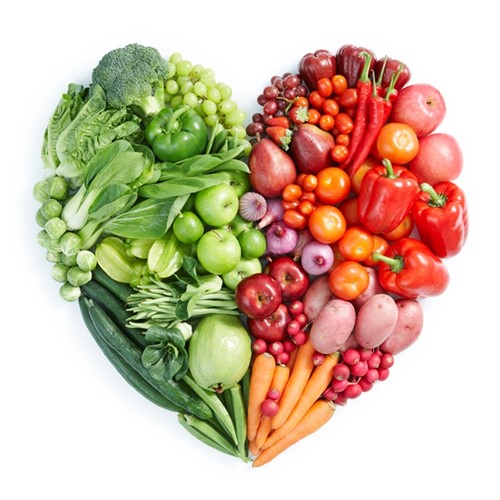
Did you know you actually need more calories during puberty when growth is happening on a daily basis!
Puberty is a time of big changes, and your body needs extra support to keep up. That means eating well, and being kind to yourself.
Fruit & Veg: Include colourful options like apples, bananas, oranges, mango, naartjies, spinach, cabbage, carrots, butternut and green beans or blend veggies into smoothies if you prefer drinking them.
Healthy Carbs for Energy: Choose filling, everyday foods such as pap, samp & beans, rice, wholewheat bread, oats and sweet potato to keep your body energised.
Proteins for Growth: Support muscle and bone development with foods like eggs, chicken, pilchards, beans, lentils, peanut butter, mince and amasi.
Healthy Fats: Add foods like avocado, nuts, seeds, peanut butter, full‑cream yoghurt and healthy oils (olive or canola) to help brain development and keep you fuller for longer.
Treats in Moderation: Enjoy snacks like chips, chocolate, vetkoek, magwinya or biscuits now and then treats are fine as part of a balanced lifestyle.
It’s also important to listen to your body. If you feel hungrier than usual, that’s normal! Your body is working hard, so adding a little more food to your plate at mealtimes can help you feel fuller for longer and stop you from reaching for less healthy snacks later.
REMEMBER - Your body needs fuel to grow strong. Eating well isn’t just okay...it’s essential.
Some teens lose weight during puberty, especially if they grow taller quickly.
Others may lose their appetite or feel stressed, which can affect eating habits. If you’re losing weight without trying, or feel tired and weak, it’s a good idea to talk to a trusted adult, teacher or school nurse.
We know that some teens feel pressure to look a certain way and may try dangerous diets or follow unhealthy advice online. But this can lead to eating disorders, which are serious and can affect both your physical and mental health now and in the future.
Puberty is a time when your body is working overtime, growing taller, building muscle, developing curves, and changing in lots of ways.
To keep up with all of this, your body actually needs more calories, especially from nutritious foods that give you energy and support healthy development.
That’s why dieting during puberty is a no-no! Cutting back on food or skipping meals can leave you feeling tired, moody, and even slow down your growth. Your body isn’t trying to “get fat” - it’s trying to grow!
So, if you’re feeling unhappy with your body or worried about food, please talk to someone you trust, a parent, teacher, school counsellor, or trusted adult. You deserve support, and there are people who care and want to help.
Let’s be honest, social media can be fun, but it can also make you feel like you’re not good enough. Seeing influencers or friends post perfect selfies or body pics can lead to comparing yourself, even though most of those images are edited or filtered.
It’s important to remember:
If scrolling through your feed makes you feel down about yourself, it might be time to take a break. Try stepping away from social media for a few days or even a couple of weeks.
Use that time to focus on things that make you feel good like hanging out with friends, doing something creative, or getting outside.
If you, or someone you know is struggling with their body image or has an eating disorder, please seek support from trusted adults such as parents, teachers, or your school nurse.
Being fit isn’t about having a certain body shape or size it’s about feeling strong, healthy, and full of energy. During puberty, your body is changing fast, and staying active helps support those changes while boosting your mood and confidence.
Is Being Heavier a Sign I’m Unfit?
Not at all! Your body shape and size are influenced by lots of things, especially genetics. Some people are naturally taller, broader, or curvier, and that doesn’t mean they’re unhealthy. In fact, someone who’s bigger but exercises regularly could be much fitter than someone who’s slim but never moves around.
I Don’t Need to Exercise - I’m Already Thin!
Being slim doesn’t automatically mean you’re fit. If you’re sitting out of PE or skipping movement because you think you don’t need it, think again! Exercise helps your heart, muscles, bones, and even your mood.
Everyone, no matter their size needs to stay active to feel their best.
You don’t need to be a gym expert or a sports star to stay active. Moving your body in fun, everyday ways helps you feel stronger, boosts your mood, and supports all the changes happening during puberty.
Staying fit isn’t about looking a certain way, it’s about feeling good, having energy, and keeping your body healthy as it grows.
Here are some easy ideas:
Puberty can feel like a rollercoaster, especially when your body starts changing in ways you didn’t expect.
But every stretch mark, growth spurt, and curve is part of your journey and it’s completely normal. Whether you’re gaining weight, losing it, or just trying to figure it all out, remember that your body is growing, developing, and doing exactly what it’s supposed to.
So, be kind to yourself, fuel your body with good food, stay active in ways you enjoy, and don’t be afraid to ask for help if you need it. You’re not alone and you’re doing just fine.
Remember when you used to wake your parents up at dawn? Now they’re waking you. What changed and how can you fix your tired mornings?
Why Am I Too Tired For School?Phones are fun, no doubt about it! But constant scrolling can mess with your sleep, focus, and even your mood. Here’s your no‑stress guide to using your phone in a way that keeps your life balanced, healthy and actually more fun.
Is Your Phone Becoming Your New Bestie? A Teen Guide to Using Tech Without Losing Balance