There’s a lot to get your head around when it comes to periods, we know! So here's our ultimate guide to managing your flow, now your period has arrived!
As infuriating as they are, periods do have an important role in developing your body as you grow older.
And yet, once you’ve started your periods, it’s almost like you’re expected to know everything and about what products are best suited to your period...But how?
You might want to put together a first period kit to keep with you when you're out and about. Here’s what to include:
Having a kit ready can help you feel more confident and prepared!
Ask your parent, or the person who cares for you to buy you one and talk you through how and when to use the different items.
Some period kits come with tampons already inside and as you get older, and more comfortable with using different products and understand your flow, you may like to give them a try.

Here’s the thing. Your period is going to be around for quite a few years and whilst you might not be the best of friends just yet, with a little time, you can get to grips with monthly menstruation.
My First PeriodNow it may take a while for your body to settle into its natural rhythm but taking note of the amount of blood loss you experience each month can help you identify your flow so you can pick the right period products and are always be prepared.
Remember your flow can change from day to day and it can take 2-3 cycles until you start to notice a pattern…for some even longer.
The best way to get to grips with your flow is to look at your period pads when on your period. Here’s how you can track your flow:
You may only need to change your pad or tampon every 6-8 hours, and there is very little blood on the pad. You may even find you only need to use pantyliners on your lighter flow days.
You change your pad or tampon, every 4-6 hours and there is moderate amount of blood covering around half of the pad.
Soaking through a pad or tampon in 1-2 hours, possibly noticing blood clots too (don’t worry these are normal for heavy periods and as long as they are no bigger than a 10p you have no reason to be concerned)
Light pink or brownish blood – is generally a lighter flow.
Bright red – is often called a moderate flow or is fresh blood being produced.
Dark red or clots – this is usually a sign you have a heavier flow.
Remember that a change in colour does not automatically mean there is a problem, our period flows are unique to each of us and the colour will often change throughout your period.
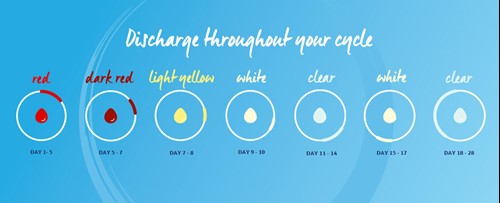
Counting the days of your period is a great way to understand what products you may need on each day.
Everyone’s period is different but over time you may find that the first couple of days are light to medium in their flow. Moving up to heavy for the middle of your period. And for the last couple of days, you may find you only notice a few spots on your pad or pantyliner as your period comes to an end.
Now that you have a better idea of your flow, it's time to explore the different period products out there—and there are lots to choose from!
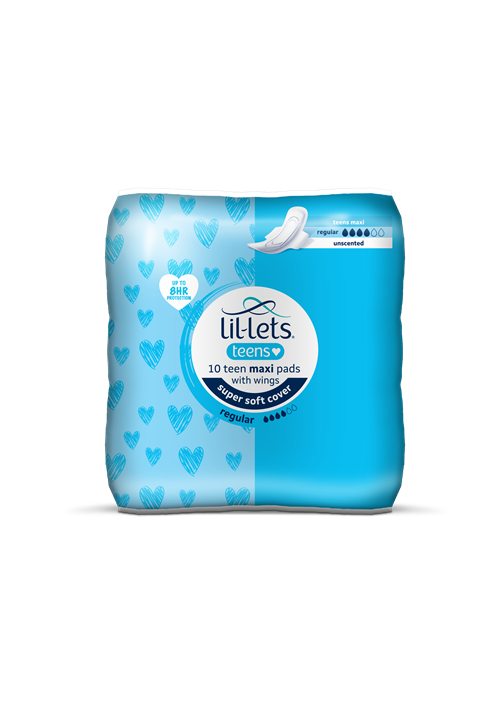
Period pads - also known as sanitary towels - are perfect for when you first start your period and designed to be worn outside the body.
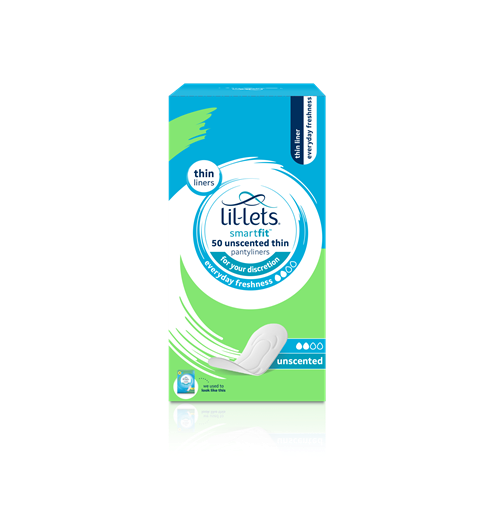
Panty liners are really handy sanitary items for teenage girls. Discreet to wear and small enough to carry around in your handbag.
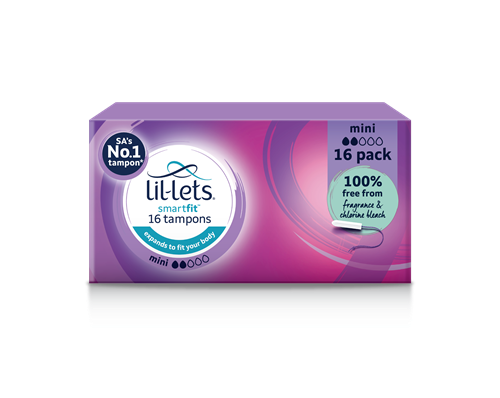
A tampon is a great alternative to pads, so lots of girls decide to switch to them once they’re more comfortable with their periods.
Whether you choose to use just one type of period product, or mix and match based on your flow, activity, or comfort. It’s all about what works best for you!

Join our community at Lil-Lets talk, the place to go if you’ve got questions on breast development, puberty, periods, or absolutely anything else!
Lil-Lets Talk
You cannot determine exactly when you will get your first period, but the average age is between 9 and 16. It's a unique and individual experience.
You should not be scared of your first period. It's normal to feel a mix of emotions, including excitement and a bit of nervousness. Remember to educate yourself on this topic so you can embrace this milestone with confidence.
After your first period, your menstrual cycle begins. Your body will go through monthly cycles of preparing for a potential pregnancy (ovulation) and shedding the uterine lining. It's important to track your periods, understand your body's changes, and practice good menstrual hygiene.
You should consider using pads specially designed for teens when you get your first period. Lil-Lets offers pads for light to heavy flow, providing comfort and protection suitable for when your first period starts.
You might not be getting your first period due to genetics, body weight, overall health, and hormonal changes. All these factors influence the timing of your first period. If you have concerns about delayed puberty or not getting your period, consult with a healthcare professional.
Your first period might be heavy, but it’s usually unpredictable. It's normal for the first few periods to be lighter or irregular as your body adjusts. It may take a few cycles for your period to settle into a regular pattern.
Your first period might hurt or result in mild discomfort in the lower back or abdomen. However, the level of pain varies for each individual. If you find the period pain to be severe or significantly impacting your daily life, it's advisable to discuss it with a healthcare provider. Heating pads and pain relievers such as ibuprofen and naproxen are known to help.
It's not uncommon for your first period to be heavier during the initial days as your body sheds the uterine lining. If you're concerned about the volume of period blood or you're soaking through pads quickly, it's best to consult with a doctor.
It's common to have vaginal discharge before your first period for a few weeks, months or even years. This discharge, called leukorrhea, helps keep the vagina clean and healthy. Pantyliners can help absorb the discharge if needed.
You can use a tampon for your first period if you would like to. Try out tampons, pads or other menstrual products and decide what works for you.
You cannot make your first period come — it’s a natural process controlled by hormonal changes in your body. At this time, your oestrogen and progesterone levels are changing. Focus on maintaining a healthy lifestyle, practising self-care and being patient.
Brown discharge can mean that your first period is coming. It's a result of old blood mixed with cervical mucus, which may appear brown. While it can be an indication, it's important to remember that you might not have any discharge before your very first period.
Why do I have brown discharge before my first period?
Brown discharge before your first period is common and typically occurs as a result of hormonal fluctuations and the shedding of the uterine lining. You may also have brown blood.